
How an HNWI Wardrobe Strategist Protects High-Value Closets Digitally
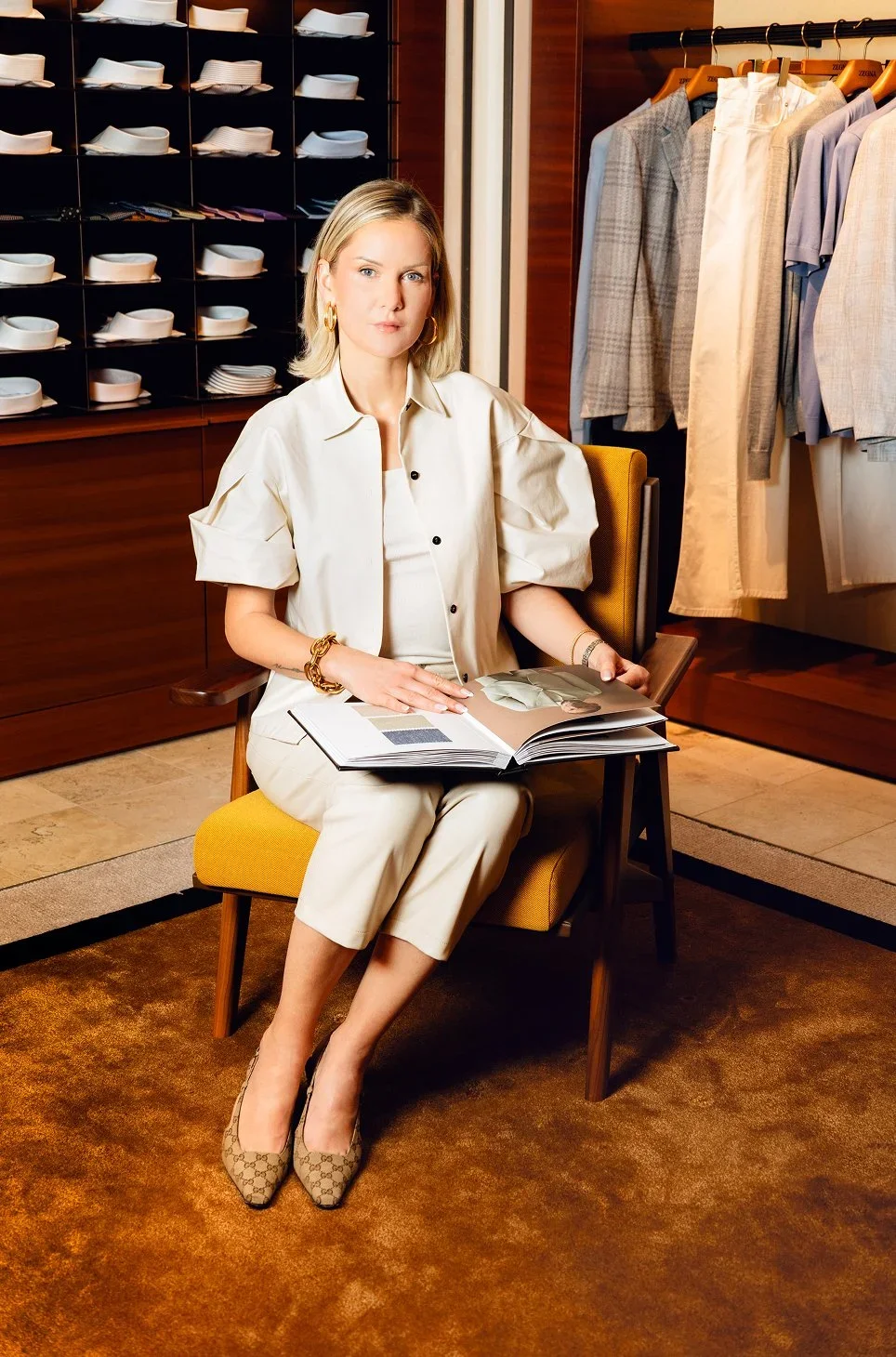
A high-value closet is rarely just a place where clothing is stored. It often holds bespoke tailoring, couture, rare handbags, occasionwear, heirloom accessories, and seasonal pieces spread across homes, trips, and changing schedules. For that reason, the real challenge for affluent clients is not simply owning exceptional items. It is knowing exactly what is owned, where it is located, what condition it is in, and how it fits into the wardrobe as a whole.
This is where a sophisticated strategist becomes essential. A professional HNWI wardrobe strategist does not rely on memory, visual tidiness, or occasional closet edits alone. They build visibility. Through digital wardrobe cataloging, they create a private operational system that supports access, care, planning, and control. In the right hands, that system protects value, reduces duplication, and helps a wardrobe perform at the level the client lives.
An HNWI wardrobe strategist uses digital cataloging to photograph, classify, track, and organize clothing and accessories so high-value wardrobes stay visible, protected, and easy to manage across daily life, travel, and multiple residences. It improves access, supports better garment care, and reduces unnecessary repeat buying.
Why High-Value Closets Need More Than Traditional Organization
A luxury closet can look immaculate and still underperform. That is because visual order and real wardrobe intelligence are not the same thing.
Many affluent wardrobes include formalwear, archive pieces, travel wardrobes, tailored suiting, handbags, shoes, fine outerwear, and items stored across properties. A traditional organization may make these items look orderly, but it does not automatically create clarity. Without a proper record, it is still easy to lose track of what exists, what needs care, what is in storage, and what is no longer serving the wardrobe.
This is why wealthy clients increasingly need more than a luxury closet system that looks attractive. They need closet management for HNWI that supports daily use, travel readiness, and long-term asset protection.
The Difference Between a Tidy Closet and an Intelligent Wardrobe System
A tidy closet is a visual solution. An intelligent wardrobe system is a strategic one. A seasoned luxury wardrobe strategist builds a framework that goes beyond presentation and into visibility, condition, and usage.
|
Traditional Closet Organization |
Digital Cataloging-Led Wardrobe Strategy |
|
Focuses on tidiness |
Focuses on visibility and control |
|
Mostly location-based |
Tracks item, condition, category, and usage |
|
Difficult across several homes |
Easier for multi-home wardrobe management |
|
Can still lead to duplicate purchases |
Supports wardrobe duplication prevention |
|
Limited long-term insight |
Supports planning, care, and purchasing decisions |
For ElsaBStyling, this shift matters because a wardrobe is not only decorative. It is functional, valuable, and often deeply connected to lifestyle and public presence.
What Digital Cataloging Means in a Luxury Wardrobe Context
Digital wardrobe cataloging is the creation of a structured, searchable wardrobe record. It is not a casual photo archive or a consumer closet app. In a luxury setting, it becomes a working system for access, planning, and protection.
A specialist may catalog clothing, shoes, bags, jewelry, outerwear, occasionwear, and wardrobe combinations. The goal is not novelty. The goal is clarity. For clients with demanding calendars, multiple homes, or substantial wardrobes, that clarity becomes an operational advantage.
Digital Cataloging Is Not About Having an App. It Is About Having a Usable Wardrobe Record
A high-level wardrobe management service uses digital tools to create visibility that physical organization alone cannot provide. This is especially important in luxury wardrobe organization, where the cost of lost visibility can be high.
A well-built digital record may include:
Item photos
Designer or brand
Category
Color
Season
Occasion
Tailoring notes
Care requirements
Storage location
Wear frequency
Coordination notes with other pieces
That kind of clothing inventory tracking turns a closet into a wardrobe visibility system rather than a static storage space.
How an HNWI Wardrobe Strategist Builds a Digital Closet System
A refined digital closet is built in layers. It is not simply photographed and forgotten. It is organized in a way that improves wardrobe decisions over time.
Step 1 — Audit the Existing Wardrobe
The process begins with a wardrobe audit service. Every category is reviewed to identify what is current, what is underused, what needs repair, and where unnecessary duplication exists. This step also reveals hidden strengths in the wardrobe.
Step 2 — Photograph and Classify Items
Next, the strategist builds a visual inventory. Each item is photographed and categorized by type, use, season, and lifestyle role. This is where wardrobe organization for luxury clients becomes more intelligent than a simple closet arrangement.
Step 3 — Tag By Purpose, Not Just Product Type
A strong system tracks how pieces function in real life: boardroom, gala, travel, resort, formal dinner, media appearance, day-to-evening. This creates an outfit planning system rather than just a product list.
Step 4 — Add Care, Fit, and Alteration Notes
This is where garment lifecycle tracking becomes valuable. Items can be flagged for steaming, tailoring, leather care, repair, or specialist handling. Fit limitations and styling notes are also recorded so the wardrobe works more efficiently.
Step 5 — Add Location Visibility
For clients living between residences, location matters as much as ownership. A piece may be at a primary home, in secondary storage, with a tailor, packed for travel, or already staged for an upcoming event. This is where a luxury closet tracking system becomes especially useful.
Step 6 — Turn Inventory Into Wardrobe Intelligence
The final layer is decision support. A strategist uses the catalog to guide seasonal edits, purchase decisions, travel dressing, and occasion planning. This turns cataloging into wardrobe optimization, not just documentation.
|
Cataloging Layer |
Why It Matters |
|
Photos |
Creates instant visibility |
|
Categories |
Speeds up retrieval |
|
Care notes |
Protects delicate garments |
|
Location tracking |
Helps across homes and travel |
|
Occasion tags |
Improves dressing efficiency |
|
Fit notes |
Prevents poor purchases |
|
Alteration status |
Improves readiness |
This is why an elite wardrobe strategist does more than organize. They build a wardrobe data system that supports the client’s life.
How Digital Cataloging Protects High-Value Closets
Protection is not only physical. It is informational.
A gown can be perfectly preserved and still become functionally useless if no one remembers it in time. A handbag can be safe in a second residence and still lead to an unnecessary repeat purchase if its location is invisible. A jacket can be ideal for a trip and still miss the suitcase if its alteration status was not tracked.
This is where fashion asset management becomes practical. Digital cataloging helps reduce forgotten pieces, missed servicing, poor purchase decisions, and underused wardrobe value.
Consider these common scenarios:
A couture dress is stored carefully but forgotten until the week of an event. The catalog surfaces it immediately.
A handbag collection sits across two homes. Location tags reduce confusion and prevent duplicate buying.
A tailored blazer needs adjustment before an important trip. The digital record flags that before packing begins.
That is why a personal wardrobe strategist is so useful for clients with sophisticated wardrobes. The catalog protects continuity, supports care, and improves judgment. It also strengthens the work of a wardrobe consultant for executives who must balance image, schedule, and practicality at the same time.
Where Digital Cataloging Delivers the Most Value for HNWIs
The more complex the lifestyle, the more valuable the wardrobe data.
Digital cataloging becomes especially powerful when the client:
Lives across several cities or countries
Manages multiple dress codes
Owns couture or collectible pieces
Travels with limited preparation time
Delegates wardrobe logistics to staff
Wants to reduce wardrobe friction without public shopping
This is why high-end personal styling services increasingly move beyond pure taste and into system design. A wardrobe may already be beautiful. The strategist’s job is to make it usable.
For clients with event-heavy schedules, frequent travel, or highly visible roles, digital visibility helps keep the wardrobe clear, coordinated, and ready when timing matters most. It also helps a personal luxury wardrobe stylist make more precise recommendations because the existing wardrobe is visible in full context.
HNWI Wardrobe Strategist vs Closet Organizer: What Is the Difference?
A closet organizer focuses on placement. A strategist focuses on function, continuity, and long-term wardrobe behavior.
That distinction matters because an HNWI's wardrobe is not just a room to tidy. It is a working system connected to image, schedule, travel, and investment. The right wardrobe strategist thinks about what the client actually wears, what needs to be accessible, what should rotate seasonally, and what gaps genuinely need filling.
One Organizes the Closet. The Other Manages the Wardrobe as a System.
|
Closet Organizer |
HNWI Wardrobe Strategist |
|
Prioritizes neatness |
Prioritizes readiness and strategy |
|
Usually one-time |
Often system-based and ongoing |
|
Focuses on placement |
Focuses on usage, image, and value |
|
Limited wardrobe intelligence |
Builds long-term wardrobe visibility |
|
Less suited for complex lifestyles |
Strong fit for HNWI wardrobes |
This is also why search phrases like “luxury closet organization service near me” often bring up general organizers, while a true HNWI wardrobe strategist offers a more strategic and privacy-aware layer of support.
The Hidden Costs of Not Digitally Cataloging a High-Value Closet
A closet can be full and still underperform.
Without visibility, clients often repeat purchases, overlook excellent pieces, miss timely alterations, and lose time searching for what should already be easy to access. The result is not always dramatic, but it is cumulative.
Imagine two or three unnecessary high-value purchases in a season because wardrobe visibility is weak. Add missed repairs, underused formalwear, poor rotation, and last-minute buying before travel or events. The cost of disorganization can quietly exceed the investment in proper systems.
That is why wardrobe organization for luxury clients should not stop at neat shelves and well-spaced rails. It should create a practical decision framework. Digital records support seasonal wardrobe rotation, reduce panic shopping, and improve the judgment behind every new purchase.
For clients considering whether to hire wardrobe strategist support, this is often the turning point. The question becomes less about aesthetics and more about efficiency, access, and protection.
What an Effective Digital Closet Should Track
Not all wardrobe data is equally useful. The best systems track information that improves wardrobe decisions.
An effective digital closet should include:
Item image
Category
Designer or brand
Season
Occasion
Fit notes
Alteration status
Care instructions
Location
Wear frequency
Styling notes
Replacement or gap notes
This is what turns a closet into a luxury closet tracking system instead of a passive archive. For a high-net-worth personal shopper or strategist supporting purchase decisions, these details are extremely valuable because they show what is already working and what is genuinely missing.
When It Is Time to Bring in an HNWI Wardrobe Strategist
You may need this level of support if:
You own a high-value wardrobe but still feel underprepared
You live between multiple homes
You buy excellent pieces, but do not fully use them
You struggle to remember what is where
Your wardrobe includes couture, tailoring, luxury accessories, or archive items
You rely on staff, but still lack visibility and continuity
You want better control without more daily effort
At this point, the goal is no longer basic tidiness. It is an intelligent wardrobe infrastructure. That may begin with a high-end personal styling consultation, continue through a wardrobe transformation service, and expand into a lasting strategy for wardrobe visibility and use.
Final Thoughts
A remarkable closet does not become high-performing simply because it contains exceptional pieces. It becomes high-performing when there is structure behind it. A thoughtful HNWI wardrobe strategist uses digital wardrobe cataloging to create that structure, turning a private collection into a clear, searchable, and protected system.
For ElsaBStyling’s clients, that means less duplication, better access, stronger care, and more intelligent buying decisions. It also means the wardrobe can support the realities of travel, multiple residences, demanding schedules, and high-value dressing with far less friction. In that sense, digital cataloging is not a technical extra. It is a sophisticated layer of wardrobe control.
Frequently Asked Questions (FAQs)
1. What does an HNWI Wardrobe Strategist do?
An HNWI wardrobe strategist creates a system for wardrobe visibility, planning, and protection. That may include digital cataloging, wardrobe editing, location tracking, seasonal planning, styling direction, and purchase guidance.
2. How does digital cataloging protect high-value closets?
It protects them by improving visibility, care tracking, alteration follow-up, and location awareness. It also reduces forgotten assets, duplicate buying, and poor wardrobe decisions.
3. Is digital wardrobe cataloging only for very large closets?
No. It is most valuable wherever wardrobe value, complexity, travel, or multi-home living increases. The issue is not only size. It is the need for access and control.
4. What is the difference between a closet organizer and an HNWI Wardrobe Strategist?
A closet organizer focuses on order. An HNWI wardrobe strategist focuses on order, function, visibility, image, and long-term wardrobe performance.
5. Can digital cataloging help manage wardrobes across multiple homes?
Yes. It helps track what is where, what is packed, what is in storage, and what should be rotated seasonally. That makes multi-home wardrobe management much easier.
Protect the Wardrobe You Have Already Built
A high-value wardrobe deserves more than visual order. It deserves visibility, strategy, and a system that protects what has already been carefully acquired. ElsaBStyling offers refined support through personal styling services, wardrobe strategy, and discreet guidance for clients seeking a trusted wardrobe stylist in Miami or anywhere else.
For those looking for personal styling for women and men or a discreet personal shopper for ultra-wealthy clients, the goal remains the same: a wardrobe that feels controlled, polished, and fully usable.
Connect with ElsaBStyling or book a confidential consultation to create a wardrobe system that protects what you own and supports your goals.
About the Author: Elsa Boutaric is the Founder and Lead Stylist of ElsaB Styling, a Miami-based luxury wardrobe strategy firm serving executives, high-net-worth individuals, and board-level leaders across the United States. Her work has been featured in Elle, Marie Claire, OK! Magazine, LA Weekly, and The Independent.