
How an Ultra High Net Worth Wardrobe Manager Handles Private Jet Travel
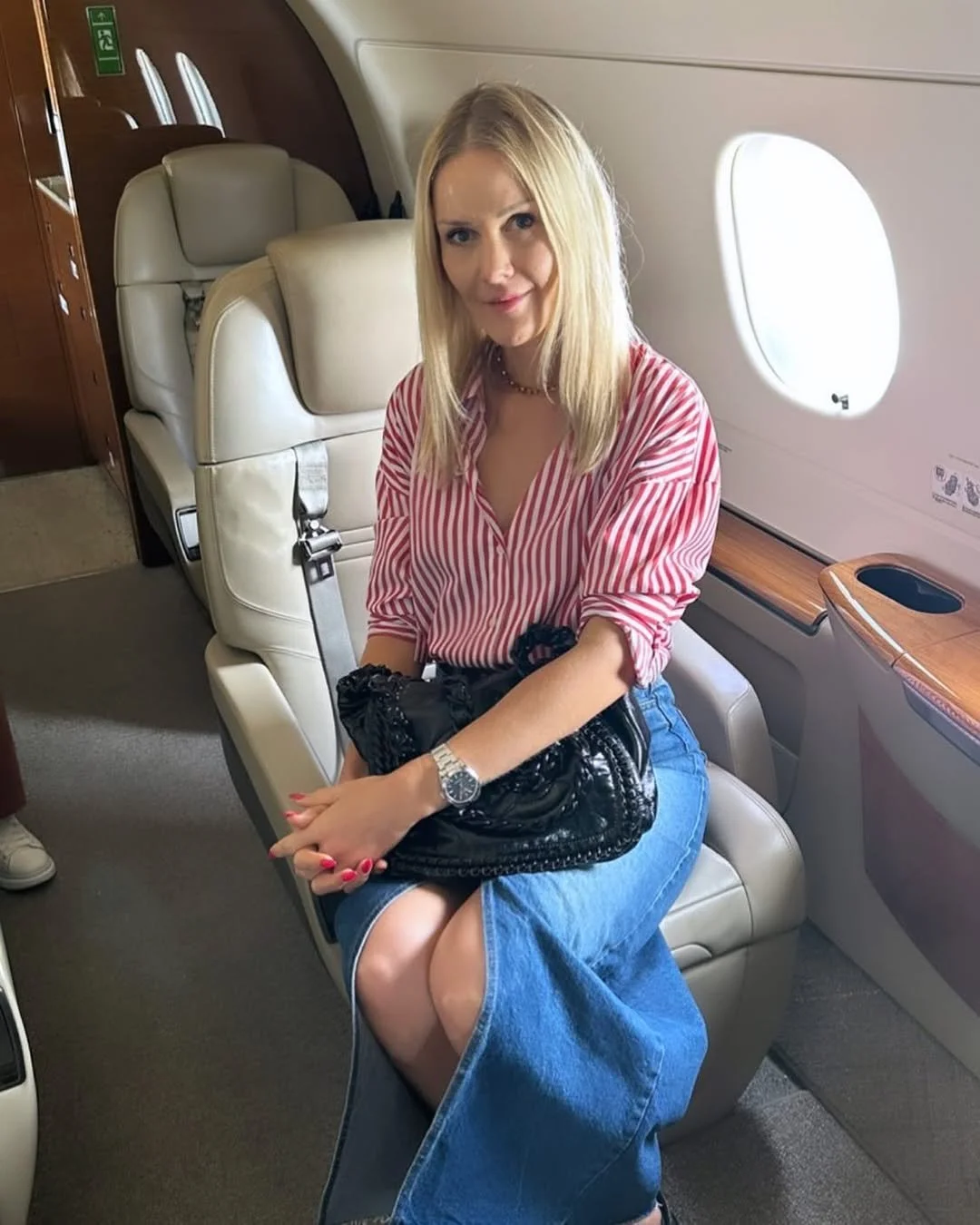
A principal leaves Miami for Paris, continues to Geneva, and adds a last-minute dinner in London. At this level, wardrobe planning is not about what “fits in the suitcase.” It is about what must be available on arrival, what should already be waiting at the destination, and what should never be transported casually in the first place.
That is where an ultra-high-net-worth wardrobe manager becomes essential. The role is not limited to editing a closet or preparing looks. It extends into timing, transport method, garment protection, security, and presentation continuity across private travel. The right system ensures the principal arrives with the correct wardrobe, in the correct condition, without unnecessary movement or avoidable risk.
This is not a generic packing guide. It is a precise look at private wardrobe logistics for high-value clothing, event-critical dressing, and multi-destination travel. For households, family offices, estate teams, and executives who require seamless presentation, that distinction matters.
What Are Private Jet Wardrobe Logistics?
Private jet wardrobe logistics are the operational decisions used to move luxury clothing and accessories through the right transport channel. That includes what travels with the client, what is pre-positioned in advance, and what is sent through specialist handling so garments arrive ready, protected, and aligned with the itinerary.
Why Private Jet Travel Still Requires Wardrobe Logistics
Private aviation offers flexibility, but flexibility does not remove the need for planning. Aircraft size, passenger count, compartment layout, baggage access, destination handling, and ground transfers still shape what is realistic.
The real risk is not “too many bags.” The real risk is sending the wrong item through the wrong channel. An arrival look may be packed too far out of reach. A couture piece may be folded without proper support. A formal change for the same evening may arrive late. A cold-weather layer may be transported unnecessarily when it should have been waiting at the chalet.
This is why wardrobe travel at the highest level is not a packing problem. It is an operational problem. An ultra-high-net-worth wardrobe manager looks at timing, condition, sequence, access, security, and arrival-readiness, not just luggage volume.
The Three-Channel Transport System Used for High-Value Wardrobes
The most effective wardrobe operations rely on a three-channel system. This is the structure that keeps high-value dressing organized under pressure.
Channel 1 — What Flies With the Client
This includes anything that must remain closest to the principal. Think arrival-day essentials, first 24-hour wardrobe needs, time-sensitive formalwear, immediate accessories, and pieces that may be needed during the journey or immediately after landing.
On some aircraft, baggage is easier to access than on others. That makes placement more important than people assume. The point is not how much can come aboard. The point is whether the right pieces are available at the right moment.
Channel 2 — What Should Be Pre-Positioned Before Departure
Some items should already be waiting at the destination. This is where luxury travel wardrobe planning becomes more sophisticated. Backup formalwear, duplicate wardrobe foundations, climate-specific daywear, outerwear, footwear, resort attire, or yacht-specific looks often belong on-site rather than in repeated circulation.
This is especially relevant for clients with multiple residences or repeated stays at the same hotels, estates, yachts, or chalets.
Channel 3 — What Requires White-Glove Shipment
Certain garments should move separately through controlled handling. Delicate couture, structured tailoring, embellished eveningwear, multi-look event capsules, or longer-stay wardrobe segments often require a white-glove wardrobe shipping service rather than standard packing.
What Are the Three Ways UHNWI’s Wardrobes Are Moved for Private Travel?
The answer is simple: the most effective system divides the wardrobe into three channels. One, what flies with the principal. Two, what is pre-positioned at the destination? Three, what moves separately under specialist handling. That is the foundation of professional wardrobe logistics for private jet travel.
What Should Always Travel Closest to the Principal
The first rule is simple: the first day should never depend on the shipped wardrobe.
Arrival looks, same-day meeting attire, dinner changes, and event-critical garments should remain close. That includes gala dressing, board-meeting tailoring, media-ready looks, bespoke pieces tied to a fixed schedule, and any item that would be difficult or impossible to replace quickly.
Accessories also matter more than people assume. Shoes for a same-day change, ties, belts, eyewear, jewelry cases, pocket squares, and discreet touch-up items all support immediate presentation. In elite wardrobe operations, small omissions can weaken an otherwise precise appearance.
This is where a private luxury wardrobe manager adds value. The decision is not based on volume. It is based on consequence. If delay, damage, or inaccessibility would affect the principal’s schedule or image, that item belongs closest to them.
What Should Be Pre-Positioned at the Destination Instead of Packed
Not every garment should travel every time. In many cases, the more elegant solution is to reduce movement altogether.
A properly prepared destination wardrobe may include core tailoring, backup eveningwear, formal footwear, seasonal outerwear, leisure capsules, gym attire, swimwear, or yacht dressing already matched to the environment. For clients with multiple residences, this is often more efficient than repeated transport.
This is also where destination wardrobe planning for luxury households becomes a true advantage. The destination should not feel like an unpacking zone. It should feel ready before the principal arrives.
That readiness includes steaming, pressing, accessory staging, shoe preparation, and closet layout organized by itinerary segment. For an estate wardrobe manager, this level of preparation reduces garment stress, reduces handling, and reduces the margin for error.
Pre-positioning also supports wardrobe management for executives. When a principal moves frequently between cities, residences, meetings, and public-facing obligations, repeated overpacking is rarely the smartest solution. Strategic duplication is often the better one.
What Requires White-Glove Shipment Instead of Standard Packing
Some garments should not be treated as luggage, even on private travel.
Couture, heavily embellished eveningwear, pieces with delicate internal structure, museum-level garments, or complex multi-look event wardrobes often require specialist transport. This is not about excess. It is about preserving shape, surface, finish, and schedule reliability.
A private jet packing service for UHNW clients may work well for many wardrobe needs, but certain pieces move better through controlled forwarding. A formal capsule for a week of public events, for example, may require hanging, staging, inspection, and immediate receiving support on arrival.
Shipment timing also matters. So do handoff points, receiving personnel, steaming readiness, and confirmation against the itinerary. Successful private wardrobe logistics are never only about dispatch. They are about the full chain of custody.
When Should Luxury Garments Be Shipped Instead of Packed?
Luxury garments should be shipped instead of being packed when folding, compression, repeated handling, or volume would compromise their condition or schedule readiness. Structured couture, embellished pieces, and longer event wardrobes are often better served by specialist transport and receiving protocol.
What Must Never Be Folded Casually
At this level, “it fits” is not the same as “it travels safely.”
Garments with shape, structure, fragile drape, internal architecture, heavy embellishment, or surface sensitivity should never be folded casually. The same applies to jackets with strong construction, eveningwear with intricate finishing, and pieces whose form is part of their visual authority.
Better alternatives include garment bags, flat layering, dedicated transport cases, pre-positioning, or specialist forwarding. The method depends on the garment’s vulnerability and the journey’s complexity.
A skilled ultra-high net worth wardrobe manager understands that private travel may offer more baggage flexibility, but capacity does not equal garment safety. High-end wardrobe movement is about preservation, not simply permission to carry more.
The Aircraft Changes the Packing Decision
Not all private jet travel conditions are the same. Aircraft size changes what is practical. Passenger load affects available space. Ground transfers affect how luggage is handled. Baggage access during the journey also matters.
Soft-sided luggage often works better than hard-sided cases when baggage space is irregular. But luggage type is only one part of the equation. The more important question is whether the wardrobe plan has been aligned with the aircraft and the trip itself.
This is where executive travel wardrobe management and aviation planning should meet. The wardrobe system should reflect the aircraft, the route, the timing of arrival, and the demands waiting on the ground. It should not be designed in isolation.
For public figures, this becomes even more important. Celebrity wardrobe travel coordination often depends on rapid changes, tightly managed timing, visual continuity, and immediate access.
The Private Jet Wardrobe Checklist
A strong system is procedural. Before departure, the wardrobe plan should be reviewed in four parts:
1. Itinerary Review
Destinations, weather, dress codes, event sequence, contingency looks, and same-day presentation requirements.
2. Item Triage
What flies with the principal. What is pre-positioned? What is sent separately through specialist handling.
3. Garment Condition Review
Pressed, altered, documented, protected, and packed according to transport method.
4. Arrival-Readiness Check
Receiving contact confirmed, steaming support prepared, closet space arranged, and accessories paired to each look.
This is the quiet discipline behind polished travel. A wardrobe manager for HNWI clients does not wait for the destination to reveal gaps.
Mistakes Luxury Households Make With Wardrobe Travel
The most common mistake is treating all garments like luggage.
The second is packing around space instead of the schedule. A piece may travel successfully and still be in the wrong place at the wrong time.
Another mistake is failing to separate the first-day dressing from the shipped wardrobe. Arrival looks should never depend on downstream handling.
Many households also wait too long to prepare the destination closet. When preparation starts late, avoidable pressure enters the system.
And finally, some assume private travel removes wardrobe risk altogether. It does not. It changes the environment, but it does not remove the need for decision-making. That is why an ultra-high-net-worth wardrobe manager is valuable in complex travel operations.
Who This Service Is For
This level of support is designed for principals with multiple residences, executives with dense public schedules, celebrities with event-heavy travel, and private households managing complex movement across cities, climates, and roles.
It is also highly relevant to family offices, estate managers, and executive assistants coordinating luxury operations behind the scenes. In those environments, a trusted estate wardrobe manager does more than manage clothing. They protect continuity, discretion, and readiness.
For clients seeking broader support, this may sit alongside a personal fashion stylist or consultant. For male principals in particular, it may intersect with personal styling for men. In Miami-based operations, households may look for a discreet personal shopper in Miami or a highly experienced stylist who understands both luxury dressing and luxury logistics.
Key Insights
For UHNW clients, wardrobe travel is not about overpacking or underpacking. It is about placing the right garments in the right transport channel before the trip begins.
That is the difference between simple packing and true private wardrobe logistics. What flies with the principal must support immediate presentation. What is pre-positioned must support destination readiness. What is shipped must be protected, tracked, and received with care.
An ultra-high-net-worth wardrobe manager understands that wardrobe movement is part of the wider luxury operation. It affects timing, image, garment integrity, and peace of mind across private travel.
Frequently Asked Questions (FAQs)
1. What is a private wardrobe manager?
A private wardrobe manager is a specialist who oversees wardrobe organization, clothing movement, garment care, travel planning, and presentation continuity for private clients. At the highest level, the role often extends into logistics, destination preparation, and event-readiness.
2. How do UHNW clients manage wardrobe logistics when traveling?
They typically divide garments into three channels: what stays with the principal, what is pre-positioned at the destination, and what is shipped separately. This is how an ultra-high-net-worth wardrobe manager reduces risk and preserves readiness.
3. What flies with you on a private jet wardrobe system?
Arrival looks, first-day essentials, event-critical garments, and immediate accessories should travel closest to the principal. These are the items least suitable for delay or remote handling.
4. What should be pre-positioned in luxury wardrobe planning?
Core tailoring, backup formalwear, footwear, outerwear, leisure capsules, and residence-specific essentials are often best prepared in advance. That is a central part of luxury travel wardrobe planning.
5. When should clothing be shipped instead of packed?
Clothing should be shipped when folding, compression, handling, or volume may compromise the garment. Couture, embellished eveningwear, and multi-look event capsules are common examples.
Private Travel Wardrobe Support for Clients Who Expect Precision
For principals, family offices, and household teams managing complex travel, wardrobe planning needs to function with the same discipline as every other private operation. ElsaBStyling provides discreet, high-level support as a trusted wardrobe strategist, personal fashion consultant, and personal shopper stylist, helping clients decide what should travel with them, what should be prepared in advance, and what requires specialist handling. The focus is not only on style, but on timing, presentation, garment protection, and destination readiness. For private jet travel, multi-city schedules, and event-led itineraries, that level of planning makes all the difference.
Speak with ElsaBStyling to create a private travel wardrobe system that arrives polished, protected, and ready at every destination.
About the Author: Elsa Boutaric is the Founder and Lead Stylist of ElsaB Styling, a Miami-based luxury wardrobe strategy firm serving executives, high-net-worth individuals, and board-level leaders across the United States. Her work has been featured in Elle, Marie Claire, OK! Magazine, LA Weekly, and The Independent.