
Billionaire's Closet: What Miami's Most Influential Men Have in Their Wardrobe
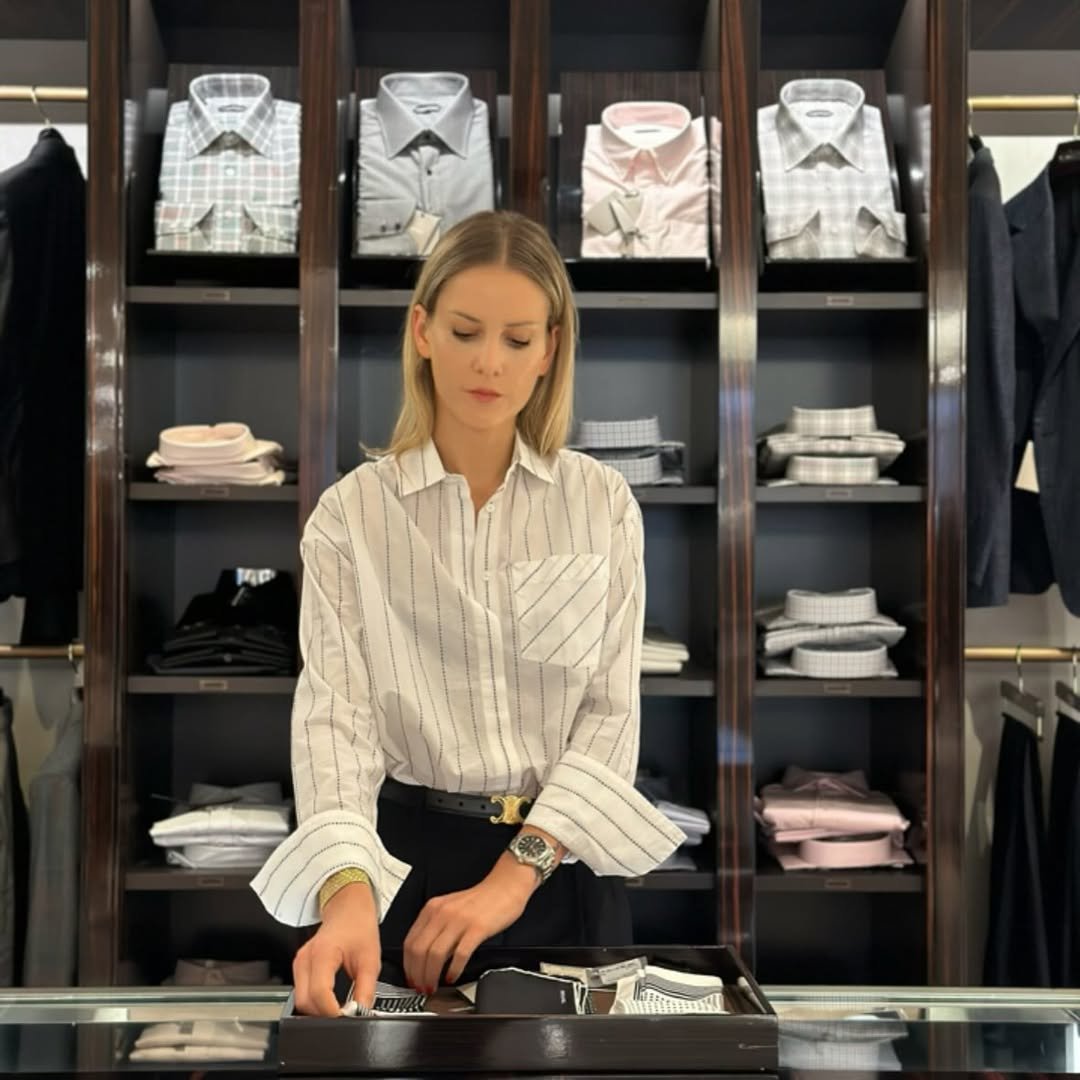
In the world of high-stakes business and luxury living, a well-curated wardrobe communicates status, sophistication, and refined taste before a word is spoken. Miami's most influential men — CEOs, entrepreneurs, family office principals, and board-level executives — understand this dynamic as a professional fact, not a vanity consideration. Their wardrobes are not collections of impressive individual pieces. They are operational systems.
I am Elsa Boutaric, Parisian-born personal stylist and founder of ElsaB Styling. I have worked as a men's wardrobe stylist for HNWI and UHNWI clients in Miami since 2019 — executives, entrepreneurs, and private individuals whose wardrobes need to perform across boardrooms in Brickell, private events at Bal Harbour, Art Basel openings in the Design District, and international travel that often begins the same day. This is what I have observed about how Miami's most influential men actually dress — and why it works.
The Art of Power Dressing for Miami's Executive Men
Power dressing in Miami operates differently from the same concept in New York or London. The visual codes are less rigid, the formality ceiling is lower, and the city's specific context — constant warmth, a mix of Latin and international business culture, a social calendar that includes both boardroom events and private yacht gatherings — requires a wardrobe that reads as authoritative without being over-formal for the environment.
The consistent element across every influential man's wardrobe in Miami is tailoring. Not necessarily bespoke — though many of my clients at this level do invest in bespoke suiting for their anchor pieces — but precisely fitted. A suit in off-the-rack sizing from the world's best house reads as less considered than a mid-market suit that fits the specific body wearing it. At the executive level, fit is the first signal the room receives, and it arrives before any other element of the outfit is registered.
Fabric selection in Miami's power wardrobe reflects the climate's specific demands. Lightweight tropical wool performs best for formal and business-formal contexts — it holds its line through a full working day, handles the indoor-outdoor temperature shift between an air-conditioned office and Miami's outdoor heat, and travels well across the international itineraries most Miami executives manage. Heavy wool suiting that reads correctly in a London or New York winter boardroom overheats immediately in Miami and signals a wardrobe that has not been calibrated for the actual environment.
Luxe fabrics — cashmere, silk, high-count cotton — appear throughout the wardrobes of Miami's influential men not as conspicuous luxury signals but as the quieter markers of quality that the right rooms notice. The difference between a cashmere knit and a merino one is not visible from across a room. It is perceptible to the people who are close enough to matter.
Investment Pieces in the Billionaire Wardrobe
The investment piece logic is different for billionaire and HNWI wardrobes than the general luxury fashion advice suggests. At this level, investment pieces are not chosen primarily for their financial appreciation value — though many do hold or gain value over time. They are chosen for the operational role they play in the wardrobe system and the signal they send in the specific environments their owner moves through.
Watches
A significant timepiece is the single accessory that performs across the full range of a Miami executive's social and professional contexts without changing. The same Patek Philippe or Audemars Piguet Royal Oak wears correctly at a 7 a.m. board call, a noon lunch at Coral Gables Country Club, and a private dinner that runs to midnight. Its selection is therefore an investment in coverage as much as in the piece itself — one accessory decision that removes accessory decisions from every other context the client faces.
Leather Goods
Bags, belts, and leather accessories at the luxury level carry the same signal logic as watches: they read at close proximity, they are worn consistently, and their quality is immediately distinguishable to the people who understand what they are looking at. For Miami executives, the specific choice is calibrated to the city's more relaxed formality conventions — a Hermès briefcase reads correctly in a Brickell meeting room in a way that would be appropriate in New York too, but a well-crafted Bottega Veneta carry or Loro Piana travel piece covers more of Miami's specific context range, including the private and resort settings that make up a significant portion of the city's executive social calendar.
Footwear
Handcrafted footwear is the third investment category that appears consistently in the wardrobes I audit for Miami's executive clients. The specific choices reflect Miami's climate — Loro Piana loafers, Church's oxfords for formal contexts, and well-constructed suede shoes for the elevated-casual settings that define much of the city's private social circuit. The consistent factor is construction quality: a well-made shoe holds its shape and finish through years of regular wear in Miami's heat and humidity in ways that lesser alternatives cannot sustain.
The Miami Men's Color Palette — More Specific Than Most Guides Suggest
The billionaire color palette in Miami wardrobes is built around a neutral foundation — navy, charcoal, stone, warm ivory — deployed at a calibration that reflects both the city's culture and the visual environments the client moves through. The standard recommendation of "neutrals with bold accents" is directionally correct but too vague to be operationally useful.
Navy and charcoal are the professional anchor colors in Miami executive dressing, worn in tropical wool for meetings and in lighter fabrications for the elevated-casual contexts that make up the majority of the social calendar. These colors perform across the visual range from a Brickell boardroom to a Coconut Grove dinner without requiring a change in formality level — just a change in what accompanies them.
The warm earth tones — camel, tobacco brown, warm stone — appear consistently in the wardrobes of Miami's most visually considered men as the palette that reads as sophisticated in the city's resort and private social contexts. These tones reference the city's coastal aesthetic without compromising the authority signal that professional contexts require. They are also the tones that work best under Miami's specific light — warm, high-intensity outdoor light and cooler interior lighting — which is a practical consideration that purely fashion-based color advice rarely accounts for.
Color analysis at the professional level is a specific assessment of which tones work with an individual's skin undertone, hair, and eye color — not a generic grid of "what season are you." For male executive clients in Miami, this assessment typically confirms that the warm-neutral palette described above is not universally flattering — some clients are better served by cooler navy and grey tones, while others genuinely do wear the warm earth palette best. The wardrobe built around the right color foundation for a specific individual performs better than one built around the right color foundation for a general type.
Miami's Influence on the Men's Wardrobe
Miami's effect on men's wardrobe is more specific than the generic "relaxed luxury" description most style guides apply. The city creates a genuine dress code that its most influential residents understand intuitively — one that balances the coastal informality of the environment with the global standards of the business and social circles its executive class operates in.
The most visible Miami-specific element is fabric intelligence. Linen and cotton appear in casual and resort contexts — Coconut Grove weekends, Dorado Beach leisure, private club lunches on warm days. But the lightweight performance fabrics — tropical wool, structured crepe, silk-cotton blends — handle the professional and semi-formal contexts that most Miami social events actually occupy. The influential men who dress best in Miami are not wearing beach wear elevated by price point; they are wearing professional and luxury casual wardrobe systems calibrated precisely for the city's climate and social register.
The cultural fusion element is real and worth understanding. Miami's business environment is genuinely international — Latin American, European, and American business culture all converge here — and the wardrobe signals that read as authority in each of these cultural contexts are slightly different. The Miami executive who moves between these circles benefits from a wardrobe neutral enough to read correctly across all of them, which is one reason the warm-neutral palette dominates: it carries authority without being coded specifically to any one of these cultural frameworks.
Building a Men's Wardrobe System — Not Just a Collection
The distinction I apply in my work as a men's wardrobe stylist for HNWI clients is between a wardrobe and a wardrobe system. A wardrobe is a collection of individual pieces, each acquired at a moment when it seemed right, without a governing framework that ensures the pieces work together across contexts. A wardrobe system is a deliberately constructed architecture — a defined color palette, a defined range of formality tiers, a specified set of pieces for each tier — that removes daily outfit decisions and ensures every context is covered without redundancy.
A comprehensive wardrobe audit is the first step in converting a collection into a system. The audit maps what exists against what the client's actual schedule requires — the specific professional contexts, the social events, the travel destinations — and identifies both redundancies (multiple pieces serving the same function) and gaps (contexts the wardrobe does not yet cover). The result is a precise brief for any new acquisitions: not "I need more shirts" but "I need a shirt in this specific colorway at this specific formality level to cover this specific context."
For Miami's executive men, the system approach also means wardrobe intelligence across multiple locations. Clients maintaining residences in both Miami and a northern city, or splitting time between Miami and international locations, need a wardrobe architecture that accounts for what is where and ensures the right pieces are at the right residence before they arrive. This logistics dimension is part of what a professional men's wardrobe stylist manages as a matter of course.
Grooming and Accessories: The Final Layer
Grooming and accessories in the billionaire wardrobe follow the same one-statement principle that governs the clothing itself. One deliberately chosen accessory — the significant watch, a carefully selected pocket square, cufflinks with specific meaning — reads as authority. Multiple simultaneous accessory statements compete with each other and with the clothing, producing a look that reads as effortful rather than composed.
For Miami's HNWI men, the accessory hierarchy tends to resolve around the timepiece as the primary statement. Everything else — cufflinks, tie bar, pocket square — is calibrated to complement the watch without competing with it. Belt and shoe materials are matched in leather grade and finish. These are not rules that require conscious thought once the wardrobe system is built; they are embedded in the brief that governs every piece, so that correct combinations emerge automatically from the wardrobe rather than requiring decisions under time pressure.
Grooming precision is the parallel system to wardrobe precision — a consistently maintained standard rather than an effort made for specific occasions. The most visually authoritative men in Miami's executive circles are not those who dress impeccably for important events and less carefully on other days; they are those whose standard never visibly varies. A consistent grooming investment — the right haircut at the right frequency, skincare that addresses Miami's specific climate effects on skin, and attention to the smaller details that compound into an overall impression — is as much a part of the wardrobe system as the clothes themselves.
Frequently Asked Questions
What does a men's wardrobe stylist and wardrobe consultant do for HNWI clients in Miami?
A men's wardrobe stylist for HNWI clients in Miami builds and manages a complete wardrobe system — auditing the existing collection, defining the right color palette and formality architecture for the client's specific schedule and social calendar, sourcing new pieces precisely against identified gaps, and managing the wardrobe on an ongoing basis across seasons and locations. For clients at the executive and billionaire level, the stylist also handles the logistics of wardrobe management across multiple residences and travel destinations, ensuring the right pieces are in the right place before each trip begins.
What makes a billionaire's wardrobe different from a standard luxury wardrobe?
The difference is primarily architectural rather than financial. A billionaire's wardrobe is constructed as a deliberate system with defined tiers, a governing color palette, and a complete coverage of every context the owner faces — without redundancy and without gaps. The same pieces that appear in a well-built billionaire wardrobe may also appear in a luxury wardrobe at a lower price point; what distinguishes them is the framework that ensures every piece earns its place, works with everything else, and serves a specific purpose. Casual acquisition — buying an impressive piece without considering how it integrates — produces a wardrobe that looks expensive but does not perform like a system.
What colors do Miami's most influential men wear?
The palette that appears most consistently in Miami mens style and the wardrobes of executive and HNWI men is built around navy and charcoal as professional anchors, warm earth tones (camel, tobacco brown, warm stone) for elevated casual and resort contexts, and crisp white as the consistent ground for both. Bold accent colors appear as deliberate choices — a specific tie, a pocket square, an accessory — rather than as dominant tones in the clothing itself. The warm-neutral palette reads correctly across the full range of Miami's social and professional environments and performs well under the city's specific light conditions.
How does Miami's climate affect executive men's wardrobe choices?
Miami's climate creates a specific set of functional requirements that standard luxury menswear advice does not address. The indoor-outdoor temperature differential — from 90-degree outdoor heat to heavily air-conditioned offices and event spaces — means fabrics need to perform in both environments without compromising appearance. Tropical wool and structured crepe handle this range best for professional contexts. Heavy wool and unstructured linen both fail: the first overheats outdoors, the second wrinkles too readily for professional settings. Understanding this functional requirement before sourcing is what separates a Miami-calibrated men's wardrobe from a luxury wardrobe built for a different climate.
How many suits does a Miami executive actually need?
For most Miami executives whose schedules include regular professional meetings, a base of three to four suits covers the primary professional range: one navy and one charcoal in tropical wool for standard business contexts, one dark navy or midnight blue for higher formality events, and one in a warm neutral (stone, camel) for the elevated casual contexts that Miami's executive social calendar includes. Additional suits beyond this base earn their place only if they serve a specific context the existing four do not cover — not as general additions to the collection.
What role does a personal shopper play in building an HNWI men's wardrobe?
A personal shopper working on a men's HNWI wardrobe pre-selects pieces against the wardrobe brief before the client sees them — in the correct size range, confirmed as available, and already assessed for compatibility with the existing wardrobe. The client reviews a curated edit rather than browsing available inventory. For executive clients whose schedules do not permit store visits, this approach converts what would otherwise be several hours of reactive shopping into a thirty-minute fitting of pre-selected pieces that already meet the brief.
About the Author: Elsa Boutaric is the Founder and Lead Stylist of ElsaB Styling, a Miami-based luxury wardrobe strategy firm serving executives, high-net-worth individuals, and board-level leaders across the United States. Her work has been featured in Elle, Marie Claire, OK! Magazine, LA Weekly, and The Independent.