
Sustainable Luxury Fashion: Why Investment Dressing Is the Most Eco-Friendly Wardrobe Approach for HNWI Clients
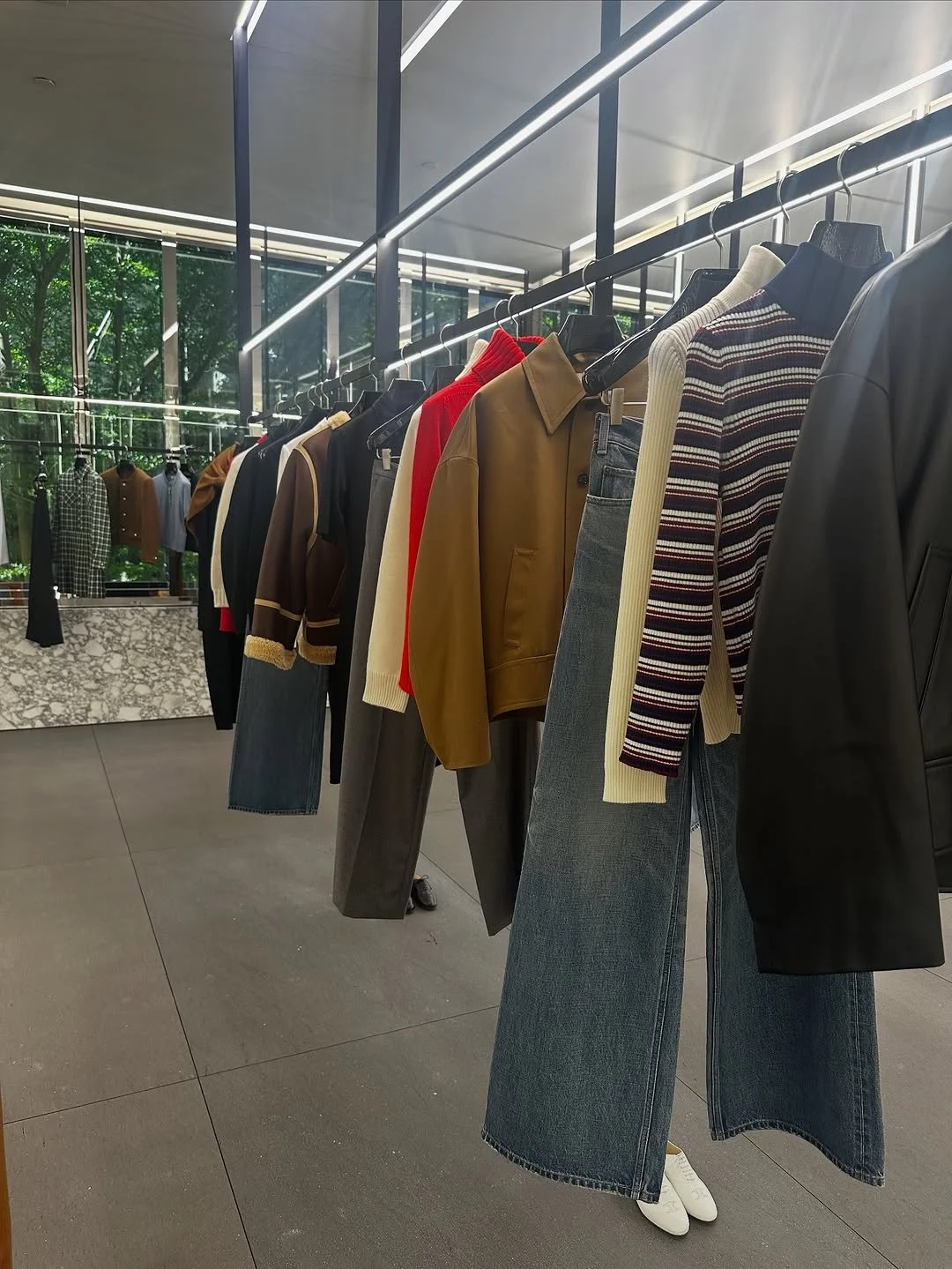
I am Elsa Boutaric, a Parisian-born luxury personal stylist and founder of ElsaB Styling. Since 2019, my work with executives, high-net-worth individuals, and private families in Miami has been built on a principle that the fashion industry is only beginning to articulate clearly: the most sustainable wardrobe is not the one made from certified organic cotton. It is the one you actually use — precisely, consistently, and without waste.
This is not an environmental positioning statement. It is a description of how a well-constructed luxury wardrobe functions. When every piece earns its place, when nothing is purchased reactively or replaced unnecessarily, and when investment-grade garments receive proper maintenance over years rather than discarded after a season, the wardrobe becomes sustainable in the most meaningful sense — not as a label, but as a system.
The Direct Answer: What Sustainable Fashion Actually Means for Luxury Clients
For HNWI and executive clients, sustainable fashion is not primarily about choosing organic cotton over conventional cotton or supporting specific eco-certified brands. It is about buying significantly fewer pieces, buying them at a quality level that allows them to last years rather than months, maintaining them correctly, and building a wardrobe system that removes the cycle of reactive purchasing that defines fast fashion at every price point. A curated luxury wardrobe of thirty well-chosen pieces, maintained properly and worn consistently, is more sustainable than a large wardrobe of premium items purchased without a system and replaced every two seasons.
Why Fast Fashion Is Never the Right Framework at the Luxury Level
The conventional sustainable fashion conversation is structured around the contrast between fast fashion and ethical alternatives. That framing makes sense for mass-market consumers. For HNWI clients, it is largely irrelevant — because the purchasing behavior that defines fast fashion (high volume, low price, low durability, frequent replacement) is not what drives wardrobe waste at the luxury end. The problem here is different.
At the executive and private client level, wardrobe waste typically comes from one of three sources. The first is reactive purchasing — buying pieces under time pressure, without a clear framework for how they integrate with the existing wardrobe, which produces well-made items that rarely get worn. The second is a lack of system — a wardrobe accumulated over time without an organizing principle, where pieces from different eras, contexts, and stylistic directions exist alongside each other without combining effectively. The third is maintenance failure — investment-grade garments that lose their quality, structure, or appearance faster than they should because they are not being cared for correctly.
None of these problems is solved by choosing a different brand or a different fabric. They are solved by building a wardrobe system — one where every purchase is intentional, every piece is maintained, and the overall collection evolves deliberately rather than accumulates by default. This is where a personal wardrobe stylist working at the luxury level adds value that no eco-brand certification can replicate.
Investment Dressing as the Foundation of a Sustainable Luxury Wardrobe
Investment dressing — buying fewer, better pieces with a clear purpose — is the closest luxury sustainable fashion has come to a genuinely workable philosophy. The logic is straightforward. A bespoke suit that costs ten times a mass-market equivalent and lasts twenty years does not produce ten times the waste. It may produce a twentieth of the waste. The per-wear cost is lower. The environmental impact per outfit is lower. And the quality of what the client experiences each time they wear it is categorically higher.
What makes investment dressing sustainable is not the material alone. It is the system around the piece — how it was selected, how it integrates with the rest of the wardrobe, how it is maintained, and whether it continues to earn its place as the client's professional and social context evolves. An investment piece that sits unworn because it does not combine with anything else, or because the client's role has shifted since it was purchased, is not sustainable regardless of its provenance or fabric content.
Building a genuine investment wardrobe requires exactly the same process as building a well-functioning executive wardrobe: defining the specific contexts the wardrobe needs to serve, identifying the gaps in what already exists, curating precisely against those requirements, and maintaining the collection as a whole rather than as a collection of individual pieces.
Fabrics That Perform Sustainably for Miami's Executive Clients
The fabric conversation in sustainable fashion has a specific dimension for Miami-based clients that most generic guides do not address. Miami's climate — high humidity, high outdoor temperatures, aggressively air-conditioned indoor environments — places specific demands on fabric performance that directly affect how long a garment remains wearable and how often it needs to be replaced.
The fabrics that perform best for Miami executives are also the ones that tend to align with sustainable principles at the luxury level — not because they are organic-certified, but because they last significantly longer under demanding conditions.
Tropical wool is the clearest example. It resists wrinkling in Miami's outdoor heat, holds its structure in air-conditioned environments, and — when properly maintained — retains its quality and appearance for many years. A well-made tropical wool suit worn twice a week for five years under correct maintenance conditions is meaningfully more sustainable than the same suit worn without care and replaced every two seasons. The same logic applies to structured crepe, fine merino wool, and silk. These are not sustainability claims about production methods. They are observations about durability and cost-per-wear at the luxury level.
The fabric that consistently fails this test for Miami clients is linen. It wrinkles too quickly for professional use, reads as too casual for most executive contexts, and requires replacement more frequently than the alternatives. I remove it from most professional wardrobes for these practical reasons — not environmental ones.
The Wardrobe Audit: The Most Sustainable First Step
Before any new purchase can hold up from a sustainability standpoint, the existing wardrobe needs to be fully understood. This represents where a thorough wardrobe audit becomes the foundation of any sustainable approach to luxury dressing.
The consistent finding when I begin working with a new executive client is the same: they own significantly more than they wear, and the pieces they wear most are almost never the most expensive ones in the wardrobe. A wardrobe that has been assembled reactively over several years typically contains well-made pieces purchased for specific occasions that never recurred, items in colors or silhouettes that do not combine with anything else, and garments that require maintenance or alteration to become wearable that have simply been left untouched.
A comprehensive wardrobe audit addresses each of these categories systematically. Every piece is assessed for fit, condition, and functional relevance to the client's current schedule, role, and aesthetic direction. What works stays confirmed and maintained. What can be repaired or altered is identified and directed to the appropriate specialists. What genuinely no longer serves the wardrobe — and cannot be made to — gets removed, donated, or sold.
This process, done well, often reveals that the client needs fewer new purchases than they expected. The sustainable outcome is not just the audit itself — it is the shift in purchasing behavior that follows. When the wardrobe's gaps are clearly mapped, new acquisitions become targeted and intentional rather than reactive and redundant.
Wardrobe Maintenance as a Sustainability Practice
The aspect of sustainable fashion that receives the least attention — in both mass-market and luxury discussions — is garment maintenance. Yet for HNWI clients with investment-grade wardrobes, maintenance is where the sustainability case is actually made or lost.
A bespoke suit cleaned correctly, stored on an appropriate hanger, rested between wears, and directed to the right specialist for any repairs or alterations will look and perform as well in year ten as in year two. The same suit cleaned incorrectly, hung on a wire hanger, worn without resting, and left unrepaired when minor issues appear may degrade significantly within three or four years. The environmental outcome of these two identical suits is completely different — not because of anything in their production, but because of the care they receive after purchase.
For clients on a Yearly Membership with ElsaB Styling, garment maintenance is managed as an ongoing function — not an afterthought. Seasonal condition reviews, pre-event preparation, specialist cleaning coordination, and timely repairs keep the wardrobe performing at its purchase standard for years longer than unmanaged wardrobes of comparable quality typically do. This is sustainable luxury dressing in practice: not the choice of garment, but the system around it.
The Multi-Residence Challenge for Sustainable Wardrobe Management
For HNWI clients maintaining wardrobes across multiple residences — Miami, Aspen, New York, or internationally — the sustainability challenge takes on an additional dimension. When the same garment exists in duplicate across three residences because there was no system to track what was where, the per-item environmental impact effectively multiplies. When pieces are purchased in a rush because the right item is at the wrong location, reactive purchasing increases. When seasonal items are stored incorrectly across different climates and storage conditions, degradation accelerates.
The multi-residence wardrobe management system I build for private clients addresses each of these directly. A digital wardrobe inventory records every piece, its location, its condition, and its intended function. Pre-trip coordination ensures the right pieces are at the right destination before the client arrives. Seasonal rotation I plan rather than leave reactive. The result is a wardrobe that functions across multiple locations with less duplication, less reactive purchasing, and less preventable waste than the same client's unmanaged wardrobe would produce. This is quality over quantity applied at the wardrobe system level.
How a Personal Stylist Supports Sustainable Fashion Choices for Luxury Clients
The role of a personal stylist in sustainable luxury fashion is not to recommend eco-certified brands or to introduce sustainability as a separate consideration alongside style and quality. It is to build the system that makes a wardrobe genuinely sustainable — through reduced reactive purchasing, intentional curation, correct maintenance, and ongoing management that prevents the drift toward accumulation and waste that affects even well-intentioned luxury wardrobes.
Clients who work with ElsaB Styling over time consistently report a version of the same shift: they buy less than they did before, what they buy works better, and the wardrobe requires less ongoing attention while performing more reliably. That outcome — fewer purchases, better results, longer-lasting quality — is what sustainable fashion actually looks like for HNWI clients. It is not the label on the swing tag. It is the system behind the wardrobe.
For executives whose profile and visibility demand a consistently high standard of presentation, this approach also removes one of the most common sustainability trade-offs: the idea that choosing sustainability means accepting a lower standard of quality or a compromise on appearance. A well-maintained investment wardrobe built around precise curation and quality-over-quantity purchasing does not ask for any such compromise. It delivers better results than a larger, less considered wardrobe while producing less waste.
Frequently Asked Questions
What does sustainable fashion actually mean for high-net-worth clients?
For HNWI and executive clients, sustainable fashion means buying significantly fewer pieces, buying at a quality level that allows those pieces to last years rather than months, maintaining them correctly, and operating a wardrobe system that removes reactive purchasing. The most sustainable luxury wardrobe is not the one built from organic fabrics — it is the one built with genuine precision: every piece earns its place, nothing is purchased unnecessarily, and investment-grade garments are maintained through their full useful life rather than replaced prematurely.
Is luxury fashion sustainable even without eco-certified materials?
Yes — and often more genuinely so than mass-market eco-fashion. A well-made luxury garment worn correctly and maintained properly over ten years produces a fraction of the environmental impact of an eco-certified piece that is replaced every season because it does not fit correctly into the wardrobe system. Longevity, maintenance, and intentional purchasing are the primary sustainability drivers at the luxury level. Material certification matters, but it is secondary to how a garment is used and cared for over time.
What fabrics are the most sustainable choice for a Miami luxury wardrobe?
For Miami's specific conditions — outdoor heat, indoor air conditioning, year-round professional use — the most sustainable fabrics are also the most practical ones: tropical wool, structured crepe, fine merino, and silk. These fabrics perform reliably across Miami's climate range, resist wear and degradation under regular use, and maintain their appearance and structure over years when cared for correctly. Their durability is what makes them sustainable at the practical level, independent of their production certifications.
How does a wardrobe audit support more sustainable fashion choices?
A wardrobe audit is the most direct path to reduced purchasing — which is the most direct path to a more sustainable wardrobe. By mapping the existing collection precisely, identifying what works, what needs maintenance, and what genuinely needs to be replaced, the audit removes the guesswork that drives most reactive purchasing. Clients who complete a full wardrobe audit with a personal stylist consistently find they need fewer new pieces than expected, and that those they do acquire are selected with a precision that keeps them in active use for years.
How does sustainable fashion work for clients with multiple residences?
For clients managing wardrobes across two or three locations, sustainable fashion requires a coordinated system rather than independent purchasing decisions per residence. A digital wardrobe inventory across all locations eliminates duplicate purchasing. Pre-trip coordination ensures pieces are at the right location without reactive acquisitions. Seasonal rotation planning prevents storage degradation across different climates. The result is a wardrobe that serves multiple locations with less total volume and less reactive purchasing than the same wardrobe without a management system.
Does working with a personal stylist actually reduce wardrobe waste?
Yes — and this is typically one of the earliest observable outcomes. Clients who begin working with ElsaB Styling consistently reduce their annual purchase volume within the first year while reporting a more functional, consistently used wardrobe. The mechanism is simple: when every purchase is made against a clear brief that specifies exactly what the wardrobe needs, the reactive acquisitions that produce wardrobe clutter stop happening. The purchases that do occur are more expensive per piece and produce less waste per item — which is precisely what investment dressing in a sustainable framework looks like in practice.
How is sustainable luxury fashion different from slow fashion?
Slow fashion and investment dressing for luxury clients share the same core principle: buy less, buy better, make it last. The difference is that sustainable luxury fashion at the HNWI level operates within an explicit wardrobe management system — with professional oversight of what is purchased, how it is maintained, and how the collection evolves over time. Slow fashion is primarily a consumer philosophy. Sustainable luxury wardrobe management is a professional service that delivers the same outcome — less waste, longer-lasting quality, reduced purchasing volume — with more precision and less reliance on individual discipline.
About the Author: Elsa Boutaric is the Founder and Lead Stylist of ElsaB Styling, a Miami-based luxury wardrobe strategy firm serving executives, high-net-worth individuals, and board-level leaders across the United States. Her work has been featured in Elle, Marie Claire, OK! Magazine, LA Weekly, and The Independent.