
Why Neutral Colors & Classic Cuts Should Be the Foundation of Your Wardrobe
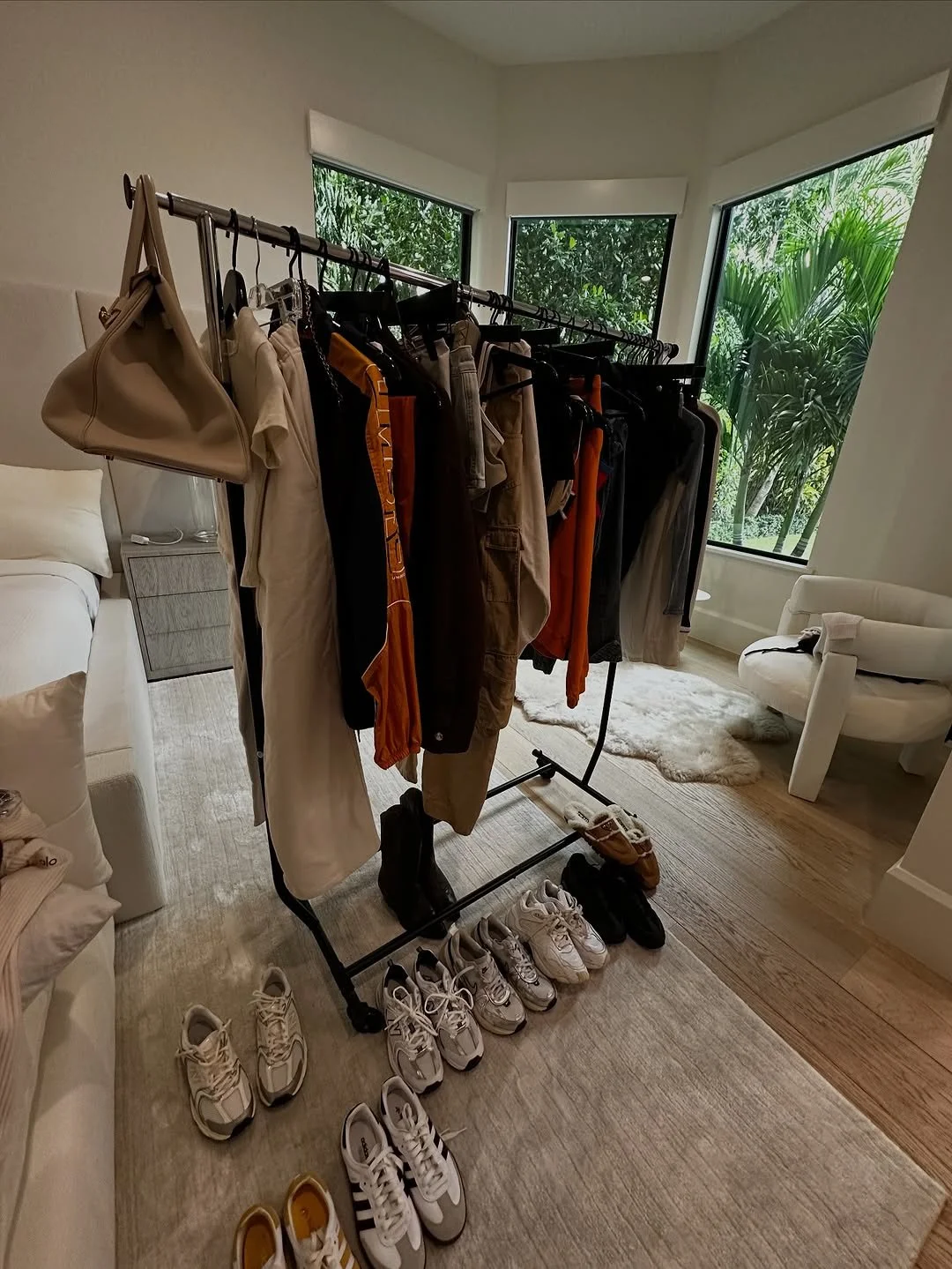
A strong wardrobe begins with clarity, not quantity. Many affluent clients own impressive clothing, yet still feel unsure how to dress with ease each day. They may buy often, follow appealing looks, or hold on to pieces they rarely use. Without structure, clothing becomes a source of clutter rather than confidence.
Neutral colors and classic cuts create a base that holds everything together. They work across seasons, settings, and climates—from Miami heat to Aspen winters, from a boardroom in Austin to a private gathering in Palm Beach. This is why a fashion wardrobe stylist often begins with these elements when building or refining a client’s closet.
In this guide, we’ll take a close look at why these timeless foundations matter, how a stylist approaches them, and why they help high-level clients move through their days with less friction and more presence.
Elsa Boutaric, Parisian-born luxury personal stylist and wardrobe strategist, brings a thoughtful approach to this work. Her method defines each client’s unique style identity, builds a curated wardrobe, and makes daily dressing far simpler. She works with high-net-worth individuals, VIPs, and executives across Texas, Austin, Miami, Puerto Rico, Coconut Grove, Coral Gables, Coco Plum, Sunny Isles, Aspen, Palm Beach, and Naples.
Why Neutral Colors Create Stability in a Wardrobe
Neutral colors form the backbone of a wardrobe because they mix easily, support layered looks, and remain steady over time. Tones such as black, ivory, stone, navy, charcoal, sand, and muted browns adapt to nearly any setting.
1. Neutrals reduce decision fatigue
When colors blend naturally, selecting clothing becomes faster. You don’t question combinations or worry about clashes. For clients with demanding schedules, this removes unnecessary morning decisions.
2. Neutrals work across climates
Warm locations like Miami or Puerto Rico call for lighter tones and breathable fabrics. Cooler areas such as Aspen require richer textures. Neutrals adapt to both without feeling out of place.
3. Neutrals support a refined visual presence
They draw attention to the wearer rather than overpowering them. A balanced palette helps executives appear grounded in meetings, presentations, and public moments.
4. Neutrals extend the life of each piece
They shift easily between seasons and seldom feel outdated. This increases the usefulness of every investment.
A fashion wardrobe stylist studies which shades heighten a client’s features and presence, then uses that direction to build a flexible palette.
Why Classic Cuts Create Structure
Classic cuts endure because they respect natural lines of the body. They aren’t tied to passing trends or seasonal hype. Instead, they offer longevity, ease, and function.
Timeless cuts support better fit
Clean lines allow items to be altered with precision. Clients who travel often or experience minor body changes benefit from this flexibility.
They balance proportions
Well-shaped jackets, trousers, skirts, and dresses guide the eye smoothly. Many clients notice they feel more composed the moment they switch to classic cuts.
They work in many settings
A clean blazer, a sharp trouser, or a fitted dress can move from meetings to dinners without effort. In cities such as Austin, Palm Beach, or Naples, this adaptability saves time.
They build trust in your clothing
When clients know their wardrobe always works, they dress with ease. Consistency reduces stress and increases comfort.
This is why stylists often refine fit before adding anything new.
How a Fashion Wardrobe Stylist Builds a Strong Foundation
Elsa begins with an in-depth review of wardrobe gaps, lifestyle demands, and personal needs. Even clients with many high-end pieces often lack a usable base.
Her approach includes:
1. Defining the style identity
This clarifies what supports the client visually and practically. It becomes a guide for future decisions.
2. Editing what no longer works
Many closets contain items that once felt right but no longer serve the person they’ve become. Removing these pieces increases clarity.
3. Strengthening the essentials
Classic cuts in neutral colors form the supporting layer. These items handle the bulk of daily dressing.
4. Adding purposeful statement pieces
Once a foundation exists, a stylist can introduce color, pattern, or unique garments that align with the client’s identity.
5. Planning for travel and seasonal movement
Clients with homes in multiple locations need clothing that adapts. Elsa curates selections for each home and ensures items are rotated or updated through the year.
This method creates order rather than clutter.
Why Neutral Colors Work So Well for High-Level Clients
Executives, VIPs, and high-net-worth individuals move through many environments in a short time. Neutrals support this pace by adapting instantly.
Here’s how:
They pair effortlessly
A navy jacket works with charcoal, stone, black, or denim. An ivory blouse supports nearly every trouser or skirt. This builds speed into dressing.
They photograph well
For public events, interviews, and social photos, neutrals stay sharp under various lighting conditions.
They remain understated
Understated does not mean plain. It means polished without distraction. This is valuable when the client’s presence matters more than the clothing.
They create a calm visual base
This steadiness also helps during travel between cities with different styles and norms.
A fashion stylist for men often begins with navy, charcoal, stone, and black. A stylist for women may choose warm sands, creams, soft greys, or dark neutrals depending on complexion and personality.
The Role of Classic Cuts in Daily Efficiency
Classic cuts create a smoother experience for clients who operate under pressure. Their reliability reduces second-guessing and supports refined self-presentation.
Some examples include:
Men’s classic cuts
Straight or tapered trousers
Refined jackets
Crisp shirts
Simple knitwear
Clean outer layers
A men's fashion stylist often focuses on getting shoulder fit, sleeve length, trouser break, and proportions exactly right.
Women’s classic cuts
Structured dresses
Tailored skirts
Sharp blazers
Simple shells and tops
Balanced outerwear
A stylist helps women maintain strong lines that support confidence during long days.
The goal is not rigidity, but a smooth, functional structure.
How Neutral Colors Improve Wardrobe Strategy
A wardrobe filled with neutrals becomes modular. Items naturally connect, which prevents wasteful purchasing. It also keeps the closet lean.
They reduce unnecessary additions
Clients stop buying single-use clothing because the existing pieces already work well.
They allow smarter layering
Neutral bases and classic cuts help you blend textures, weight, and silhouettes without confusion.
They travel easily
One capsule of neutral items can create many outfits for long trips.
They support seasonal change
Light neutrals transition to darker tones as weather shifts from Naples to Aspen or from Miami to Austin.
This is where the guidance of a personal fashion stylist becomes especially helpful.
How a Stylist Removes the Stress Around Clothing Decisions
Affluent clients face constant responsibilities. Managing a wardrobe alone adds unnecessary work. Many feel frustrated by closets that no longer match their life pace.
A stylist steps in to support them year-round.
Elsa’s Exclusive Wardrobe Membership provides:
Seasonal updates
Maintenance
Edits
New additions chosen with intention
Travel and event guidance
Ongoing support
Clients gain freedom from the cycle of random purchases or last-minute dressing.
Neutrals and Classic Cuts Across Different Climates
Neutral tones and classic lines adapt across Elsa’s core service locations.
Warm climates (Miami, Puerto Rico, Coconut Grove, Sunny Isles)
Lighter fabrics, stone and sand tones, ivory tops, and breathable dresses or shirts.
Moderate climates (Austin, Texas, Coral Gables, Naples)
Flexible layers, mid-toned neutrals, and classic shapes that handle temperature shifts.
Cold climates (Aspen)
Deep neutrals, structured outerwear, heavier textures that maintain shape, and refined knitwear.
A stylist helps clients maintain consistency across all wardrobes, even when they live in several places.
Why Many Affluent Clients Struggle With Clothing Before Working With a Stylist
Several common patterns appear repeatedly:
Too many statement items
Essentials chosen incorrectly
Overlapping purchases
Gaps in key categories
Items that don’t suit body shape
Difficulty mixing and matching
Confusion around layering
Clothing spread across homes without structure
These challenges disappear once a stylist steps in. A wardrobe takes on new life with fewer pieces and more purpose.
How Personal Identity Shapes a Neutral Palette
Neutrals look simple at first glance, but the right palette depends on personal features:
Skin undertone
Hair color
Eye color
Bone structure
Presence and personality
Professional environment
A fashion wardrobe stylist studies these details before selecting the base tones. What looks sharp on one client may wash out another. Precision matters.
Elsa’s Parisian background gives her a practiced eye for nuance without relying on trends.
Where Classic Cuts Should Be Used Most Often
Some categories benefit greatly from neutral colors and timeless lines:
Jackets and blazers
Clean structure ensures a steady presence.
Trousers and skirts
Classic shapes remain flattering across shifts in style and personal change.
Tops and knitwear
Simple silhouettes mix with many outfits.
Outerwear
Neutral coats remain relevant season after season.
Shoes
Refined shapes in dark or soft neutrals offer maximum flexibility.
Building strength in these areas allows the rest of the wardrobe to grow smoothly.
When to Add Color or Unique Shapes
Once the foundation is in place, a stylist introduces pieces that bring enjoyment and depth.
This may include:
A rich jewel-toned coat
A striking evening look
A textured knit
A patterned accessory
A unique jacket for weekends or private events
These pieces stand out more because the base is steady.
Frequently Asked Questions
1. Why are neutral colors important in a wardrobe?
Neutral tones work with nearly everything and simplify daily choices. A fashion wardrobe stylist uses them to build a base that remains useful across many seasons and settings.
2. How does a fashion stylist for men choose the right classic cuts?
A fashion stylist for men studies proportion, shoulder structure, leg shape, and lifestyle needs. Classic cuts are selected to support comfort and a steady presence throughout the day.
3. Can a men's fashion stylist help refine clothing I already own?
Yes. A men's fashion stylist reviews existing pieces for fit and usefulness. They keep what works, adjust what can be improved, and fill gaps with items that blend with the wardrobe base.
4. How does a personal fashion stylist create a cohesive wardrobe?
A personal fashion stylist defines your style identity, edits your closet, strengthens essentials, and selects pieces that connect. This creates smooth dressing without unnecessary choices.
5. Do neutral colors make clothing feel plain?
No. When chosen well, neutrals bring depth, refinement, and balance. A stylist selects tones that flatter your features and blend into many outfits.
6. Should classic cuts replace all modern shapes?
Not always. Classic cuts form the core, while other shapes can be added with intention. The goal is balance, not restriction.
Build a Wardrobe That Works With You, Not Against You
If you want clothing that supports your life, reduces needless choices, and gives you steady confidence each day, ElsaB Styling can guide the process with clarity and precision. Her Parisian eye, refined method, and deep experience with high-net-worth individuals, VIPs, and executives help create wardrobes that stay useful season after season.
Reach out to learn how Personal Styling Services can refine your foundation and bring calm, structure, and ease to your daily dressing.
About the Author: Elsa Boutaric is the Founder and Lead Stylist of ElsaB Styling, a Miami-based luxury wardrobe strategy firm serving executives, high-net-worth individuals, and board-level leaders across the United States. Her work has been featured in Elle, Marie Claire, OK! Magazine, LA Weekly, and The Independent.