
How to Stop Repeating the Same Outfit at High-Profile Events
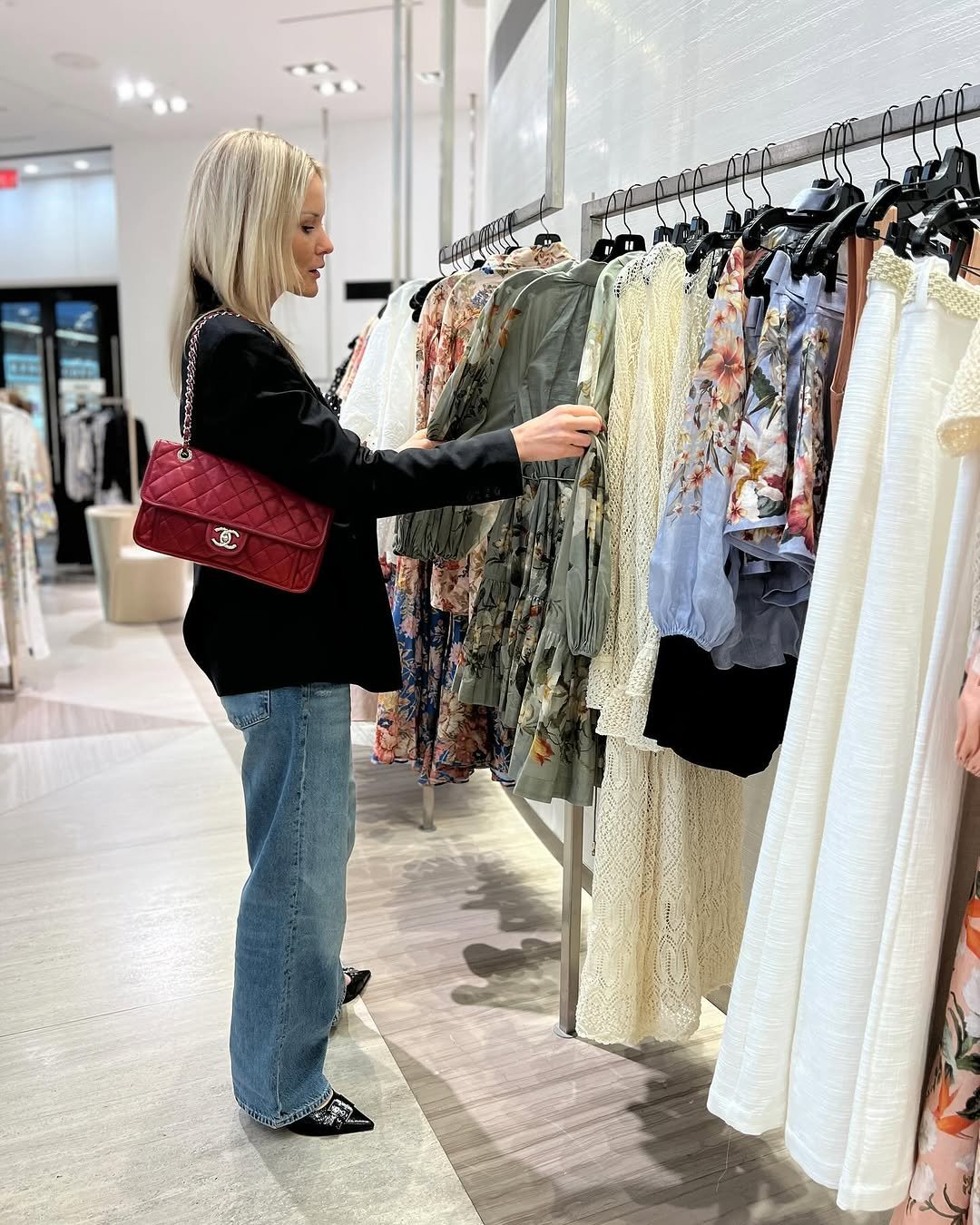
At elite gatherings, clothing is rarely just clothing. It becomes part of how a person is remembered, photographed, and discussed. For public figures, executives, philanthropists, and socialites, repeating the same outfit across galas, charity functions, investor dinners, and media-facing evenings can quietly weaken image presence.
The issue is not that a look appears more than once. The real problem is repeating it without a strategy. That is where a personal fashion consultant becomes valuable: not to make a wardrobe louder, but to make it more deliberate, more versatile, and more distinctive. ElsaBStyling’s approach to high-level styling already reflects this logic through wardrobe strategy, event dressing, and ongoing support for clients whose lives move quickly and publicly.
Why High-Profile Clients Repeat Outfits More Often Than They Realize
Outfit repetition usually happens because visibility is high and wardrobe systems are low. When someone appears in public often, every look sits inside a larger visual memory. A press photographer, a host, a guest list, and even a social circle can recall a silhouette, a color story, or an accessory combination long after the event ends.
In luxury styling, this is why clothing must be managed as part of image architecture, not simply purchased as isolated pieces. ElsaBStyling’s own guidance emphasizes that high-quality personal styling services begin with lifestyle assessment, wardrobe review, and outfit planning precisely because event looks need rotation, not improvisation.
Luxury wardrobes also tend to accumulate beautiful but disconnected pieces. A person may own exceptional garments and still lack a clear rotation plan. Without a wardrobe strategist, even a generous wardrobe can become repetitive because the same favored combinations keep reappearing.
This is especially true when the event calendar is dense: charity circuits, seasonal galas, Art Basel, Formula 1 weekends, private dinners, and destination engagements all create overlapping visibility.
ElsaBStyling’s work with UHNW principals and high-profile clients reflects that wardrobe decisions are shaped by occasion, photography, travel, privacy, and long-term image, not by clothing quantity alone.
The Hidden Reasons Behind Returning to the Same Looks
The most common reason for repetition is emotional, not practical. Many people default to “safe” outfits because those outfits have already been complimented, photographed well, or associated with a successful appearance. A look that felt powerful once can become a habit. Over time, the wardrobe begins to mirror memory rather than intention.
Another reason is the lack of event-specific planning. When dressing happens at the last minute, the mind reaches for what is familiar. That is why a strong personal stylist consultation is so useful: it creates a clearer structure before the pressure begins.
ElsaBStyling’s closet-audit process shows the value of that structure. A systematic reset surfaces what fits, what flatters, what needs tailoring, and what no longer belongs, turning the wardrobe into something usable rather than merely impressive.
A third reason is wardrobe imbalance. Some closets are built around statement pieces, but not around outfit architecture. There may be plenty of “special” garments and not enough foundations for rotation. That is where wardrobe planning services matter. When a wardrobe is designed around categories, audience overlap, and visibility level, the same item can be worn intelligently without looking repetitive.
Why Repetition Is More About Styling Than Clothing Quantity
Elite dressing is about image variation, not constant shopping. A high-profile individual does not need a new wardrobe for every event. They need a system that creates fresh visual outcomes from existing pieces. That is the difference between ownership and styling.
Small changes can make a look feel entirely new: a different silhouette, a softer or sharper tailoring choice, a changed accessory profile, or a shift from layered styling to clean minimalism. Even a refined wardrobe can be made to feel distinct through texture and proportion alone.
ElsaBStyling’s approach to luxury styling is built on that principle. Her service model emphasizes intentional wardrobe systems, not random outfit assembly, and her content for executives and VIPs positions the wardrobe as a working tool that supports the life the person actually leads.
This is where a luxury personal stylist adds value beyond shopping. The goal is not to buy more; it is to create visual range. Personal styling services can repeat an investment piece while changing everything around it. That is the quiet-luxury approach: intelligent repetition, not obvious duplication. Vogue describes quiet luxury as restraint and a focus on quality, while Vogue Arabia frames it as a commitment to the highest quality and the opposite of trend chasing.
How a Personal Fashion Consultant Prevents Outfit Repetition
A skilled personal fashion consultant begins by organizing the wardrobe around use, not emotion. The process is simple in concept but sophisticated in execution.
First, a wardrobe rotation strategy is built. Looks are grouped by event type, visibility level, season, and audience overlap. A gala outfit is not treated the same as a private dinner look. A media-heavy evening is not treated the same as a closed philanthropic gathering. That segmentation makes repetition harder to happen by accident.
Second, signature style formulas are created. These are repeatable structures that still feel fresh: one formula may lean sharp and architectural, another fluid and refined, another quiet and formal. A fashion wardrobe stylist uses these formulas to keep the wardrobe coherent while allowing room for variation.
Third, photography is considered before the event, not after it. High-visibility dressing requires awareness of what has already been documented. A look worn in a heavily photographed room should not resurface unchanged in another media-facing setting too soon. ElsaBStyling’s own high-end styling philosophy reflects this kind of operational planning, including outfit formulas, event looks, and wardrobes that “work” rather than merely impress.
Finally, the complete look is coordinated in advance. Shoes, outerwear, jewelry, bags, tailoring, and grooming must all speak the same language. That is where personal shopper, stylist, and celebrity stylist services can be most effective, because the wardrobe is managed as a full appearance system rather than a pile of attractive items.
Smart Styling Techniques that Make Outfits Feel Completely Different
A refined wardrobe is not built on novelty alone. It is built on controlled variation.
Silhouette Rotation
One of the easiest ways to avoid repetition is to rotate the silhouette. Structured tailoring can be balanced with fluid drape. Monochromatic dressing can alternate with layered compositions. Formal lines can be softened for dinners, while relaxed tailoring can be sharpened for business appearances. The same client can look entirely different without changing their style identity.
Strategic Accessorizing
Accessories can reset an outfit’s message. Watches, evening bags, jewelry, scarves, eyewear, and belts can shift a look from formal to relaxed, from classic to contemporary, or from understated to sharply editorial. This is why a luxury personal stylist pays close attention to details that most people underestimate.
Fabric and Texture Variation
Texture is one of the most elegant tools in luxury dressing. Matte wool reads differently from silk. Soft tailoring feels different from structured tailoring. Subtle sheen can elevate an otherwise simple look. These changes are not loud, but they are visible to discerning eyes.
Color Recalibration
Color should support the image, not dominate it. Instead of rotating through trend-driven shades, affluent clients often benefit more from tonal dressing, quiet contrast, and a disciplined palette. That is how repetition is avoided without abandoning consistency. ElsaBStyling’s approach to high-end personal styling fits this logic well: polish, restraint, and precision rather than overstatement.
Event-Specific Wardrobe Planning for Elite Clients
High-profile dressing changes depending on the room.
For charity galas and philanthropic events, the outfit should feel elegant but never attention-seeking. The style should support the cause, the host, and the atmosphere. For business and investor events, the wardrobe should project credibility, composure, and ease. This is where executive image styling matters most, because clothing helps shape how authority is received before any conversation begins.
For destination luxury events, planning must account for climate, venue, and cultural expectations. A resort dinner, a yacht weekend, and a winter city fundraiser all require different styling logic. For media-heavy appearances, the risk of recognizable repetition rises sharply, which is why the wardrobe must be managed with more precision.
The Role of Wardrobe Inventory and Styling Archives
Outfit repetition often disappears once the wardrobe is documented properly. Elite stylists use private archives to track what has already been worn, where it was worn, how it was styled, and how it was photographed. This creates a living record of the wardrobe’s public history.
A good archive may include previously worn looks, accessory combinations, event attendance notes, and even tailoring changes. Digital cataloging helps prevent accidental repetition and supports cleaner future planning. It is also a trust signal. Clients who value privacy respond well to systems that are orderly, discreet, and controlled. ElsaBStyling’s emphasis on wardrobe management, seasonal updates, and long-term style identity shows how this kind of tracking supports both efficiency and image consistency.
Frequently Asked Questions (FAQs)
1. How do celebrities avoid repeating outfits?
They avoid repetition by using wardrobe rotation systems, tracking event visibility, and styling existing pieces in different ways. Celebrity stylist services often include outfit planning, archive management, and private sourcing so that looks feel fresh without constant overbuying.
2. Is outfit repetition inappropriate at luxury events?
Not always. Repeating a garment can be elegant when it is styled differently and worn with intention. The issue is not repetition itself, but obvious repetition without variation in accessories, tailoring, or context.
3. What does a personal fashion consultant do for event dressing?
A personal fashion consultant plans outfits around event type, public exposure, photography, and image goals. The work includes wardrobe review, styling direction, look coordination, and decisions about what should be seen together across different occasions.
4. How can you repeat luxury pieces without looking repetitive?
Rotate silhouette, texture, accessories, and styling context. A single investment piece can appear distinct when paired differently and placed within a broader wardrobe strategy rather than worn in the same formula each time.
5. How far in advance should high-profile event outfits be planned?
High-profile event outfits are ideally planned several weeks in advance, especially for media-facing appearances, charity galas, destination events, and investor functions. Early planning allows time for tailoring, sourcing, wardrobe coordination, and strategic styling adjustments that reduce repetition and improve visual consistency.
6. Why do generous luxury wardrobes still feel repetitive?
Luxury wardrobes often feel repetitive when they lack structure, outfit rotation systems, and event-specific styling plans. Owning exceptional clothing does not automatically create visual variation. Strategic wardrobe planning helps investment pieces feel distinct across different occasions.
7. What is wardrobe rotation in luxury styling?
Wardrobe rotation is a styling system used to organize outfits by event type, visibility level, season, audience overlap, and photography exposure. A personal fashion consultant uses wardrobe rotation to maintain consistency while ensuring looks feel refined, intentional, and visually fresh.
Build a More Distinctive Presence at Every High-Profile Event
Sophisticated dressing is not about excess consumption. It is about strategic wardrobe management, visual consistency, and intentional image presentation. When a wardrobe is planned with structure, the same piece can serve many moments without feeling stale. That is the advantage of working with a discreet personal image consultant or a private styling services partner who understands how public perception is shaped.
For high-profile individuals who move through private dinners, media appearances, social calendars, and elite events, ElsaBStyling offers the kind of advisory support that turns clothing into a controlled part of the overall image. The result is a wardrobe that feels composed, current, and unmistakably refined.
Schedule a private styling consultation to build a more distinctive presence at every high-profile event.
About the Author: Elsa Boutaric is the Founder and Lead Stylist of ElsaB Styling, a Miami-based luxury wardrobe strategy firm serving executives, high-net-worth individuals, and board-level leaders across the United States. Her work has been featured in Elle, Marie Claire, OK! Magazine, LA Weekly, and The Independent.