
High-End Wardrobe Organization Service for Luxury Closet Planning
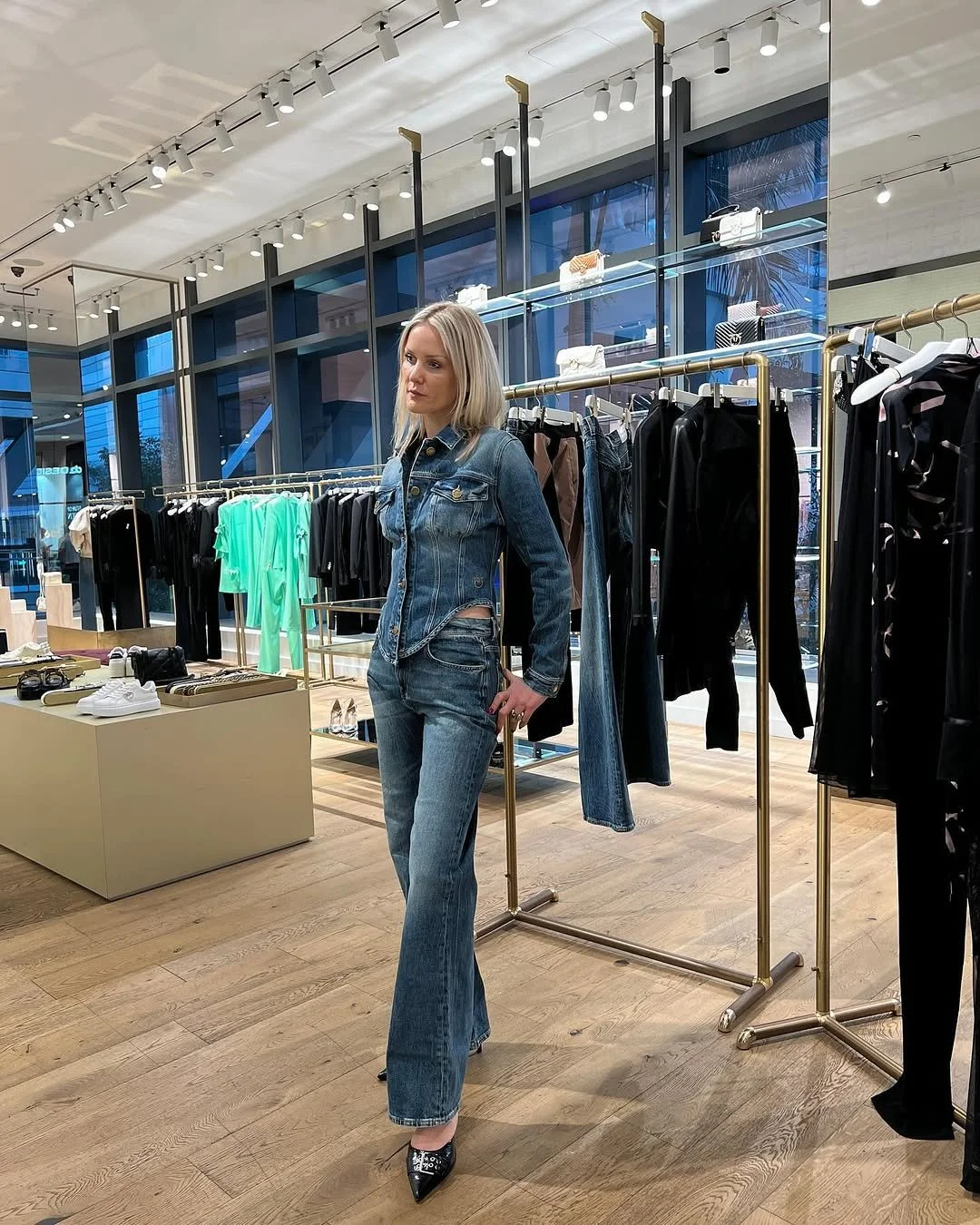
A luxury closet should do more than look refined in a rendering or photograph. For HNWIs and UHNWIs, the real test is whether the space supports the wardrobe inside it: the gowns, tailoring, handbags, shoes, watches, accessories, resort pieces, and travel-ready looks that define daily life, public appearances, and private events.
That is why a high-end wardrobe organization service matters before a closet is finalized. When the wardrobe leads the planning, the result is not just beautiful. It is practical, discreet, and built around how the client dresses, rotates, protects, and accesses valuable pieces.
Wardrobe vs Closet: What Is the Difference?
A wardrobe is the full collection of clothing and accessories a client wears and stores. A closet is the physical environment that holds that collection. In luxury residences, that environment may be a walk-in dressing room, a custom-built suite, or a multi-zone storage space.
The distinction matters because a wardrobe is about use, image, care, and access, while a closet is about structure, layout, lighting, and storage. A visually impressive room can still fail if it does not support the client’s dressing habits.
For example, a client with couture gowns, evening wear, and multiple residences needs a very different system from someone whose collection is mostly tailored daywear. That is why wardrobe planning should come before cabinetry decisions, not after them.
Why Luxury Closet Planning Should Begin With the Wardrobe
Luxury closet planning should begin with the wardrobe because the collection determines the space requirements. A formalwear-heavy wardrobe needs long-hang sections. A resortwear-heavy wardrobe needs a different seasonal rotation. A client with frequent travel needs packing access. A collector with high-value accessories needs visibility and protection.
A wardrobe assessment reveals what the closet must actually do. It answers practical questions such as:
How much hanging space is required?
Which items should be folded, boxed, or displayed?
What needs climate-aware storage?
Which pieces must stay close to daily dressing zones?
Where should accessories sit so they support the outfits they belong to?
When the wardrobe is understood first, the closet becomes efficient rather than decorative.
What a High-End Wardrobe Organization Service Adds
A luxury wardrobe organization specialist brings structure to a project that is often underestimated. The role is not to act as a closet builder. It is to make sure the wardrobe functions inside the space with clarity and ease.
That support may include:
Wardrobe assessment before planning
Category mapping for clothing, shoes, bags, and accessories
Hanging versus folding recommendations
Seasonal rotation systems
Daily-use versus event-use placement
Travel wardrobe access
Couture and delicate garment handling
Zoning for high-value items
Coordination with interior designers, estate managers, or household teams
This is especially useful for a personal closet manager, household wardrobe manager, or estate wardrobe manager working with a private residence. The goal is to reduce friction and make the wardrobe easier to use every day.
Why Beautiful Luxury Closets Can Still Fail HNWIs
A luxury closet can look expensive and still perform poorly. The most common failures are practical, not aesthetic.
If long dresses do not have full-height hanging space, the hems crease. If handbags are stacked incorrectly, they lose shape. If shoes are displayed without easy retrieval, they become hard to use. If accessories are separated from outfits, dressing takes longer.
A poorly planned closet also creates hidden inefficiencies:
Seasonal pieces crowd daily items
Formalwear sits far from jewelry and evening accessories
Travel pieces are scattered instead of grouped
Delicate fabrics are exposed to pressure or excessive light
The client cannot see what is available at a glance
For HNWIs and UHNWIs, these problems waste time and create avoidable wear on valuable pieces. That is why high-value wardrobe organization is about function as much as presentation.
Wardrobe Zones Every Luxury Closet Should Consider
The most effective luxury closet organization systems are structured around wardrobe zones rather than generic storage categories.
1. Daily Dressing Zone
This zone holds the pieces the client reaches for most often: tailored separates, elevated casualwear, shoes, and everyday accessories. It should be easy to see and easy to access.
2. Formalwear and Eventwear Zone
This area should support gowns, tuxedos, cocktail looks, formal shoes, and event accessories. It is where the wardrobe becomes occasion-ready without last-minute searching.
3. Travel Preparation Zone
Clients with seasonal homes or frequent flights need a zone for packing, garment bags, destination-specific looks, and travel accessories. It makes movement between residences smoother.
4. Accessories and Statement Pieces Zone
This should house handbags, watches, jewelry, belts, scarves, eyewear, and special occasion pieces. When accessories are visible and organized, outfits come together faster.
5. Seasonal Rotation Zone
This zone keeps off-season pieces accessible without crowding the main wardrobe. It is essential for clients who move between climates or social seasons.
6. Delicate and High-Value Item Zone
Couture, vintage pieces, bespoke tailoring, and investment accessories need more protection. This zone should prioritize spacing, support, and preservation.
How Wardrobe Organization Supports Privacy, Efficiency, and Daily Ease
For HNWIs, a good organization is not about being tidy. It is about protecting time, privacy, and energy.
A structured system reduces decision fatigue because the client can see options clearly. It also reduces delays before travel and events, which matters when schedules are tight. Assistants and household staff can work more smoothly when the wardrobe is logical and easy to understand.
A strong system also helps reduce repeat purchases. When clients can see what they already own, they are less likely to buy duplicates. That is a practical benefit for anyone managing a premium collection across multiple residences.
In other words, a thoughtful wardrobe system delivers:
Faster dressing
Easier travel prep
Better garment visibility
Less friction for private staff
More discreet household operations
Stronger protection for valuable pieces
This is where luxury wardrobe management becomes a lifestyle advantage, not just an organizing task.
When Should You Bring in a Wardrobe Organization Specialist?
The best time to bring in a specialist is before the closet layout is finalized, not after installation.
That is especially important during:
A new luxury residence built
Closet redesign or renovation
Relocation to a new estate
Seasonal residence setup
Wardrobe expansion
Lifestyle changes that increase travel or event frequency
Support planning for an estate manager or personal assistant
It is also smart to involve the specialist when the client already works with a wardrobe stylist or broader personal styling services, and now needs the wardrobe system to support those style decisions at home.
High-End Wardrobe Organization Service vs Luxury Closet Organizer
While these roles may overlap in certain areas, they serve different purposes.
|
Service Area |
Luxury Closet Organizer |
High-End Wardrobe Organization Service |
|
Main focus |
Closet order and layout |
Wardrobe function and lifestyle use |
|
Works with |
Physical storage space |
Clothing, care, rotation, access, and styling needs |
|
Best for |
Improving visible order |
Building a complete wardrobe system |
|
Luxury value |
Better-looking closet |
Better dressing experience and performance |
|
Client fit |
General home organization |
HNWIs, UHNWIs, executives, celebrities, and private households |
This distinction is important because the right wardrobe specialist for HNWIs does more than make the room look polished. They make the space work in real life.
What This Looks Like in Practice: A Wardrobe-First Closet Plan
A wardrobe-first plan becomes easier to understand with a simple example. Imagine a client whose collection includes 18 long dresses, 24 tailored jackets, 30 pairs of shoes, 14 handbags, 12 formal pieces, and a rotating travel wardrobe across two residences.
If the closet is planned only by display preferences, the room may look elegant but still function poorly. The dresses may be squeezed into standard-height hanging sections. The handbags may be placed where they lose shape. Shoes may be arranged for visual symmetry instead of daily retrieval. The travel wardrobe may end up in overflow storage, which slows down packing before trips.
A high-end wardrobe organization service would approach that same space differently. It would ask:
Which items need daily access?
Which pieces belong in a seasonal rotation zone?
What should be protected more carefully?
Which garments are formal, delicate, or travel-specific?
How much room is required for staff to maintain the system?
That shift in thinking matters. A wardrobe with 100+ premium items can feel calm and manageable when the system is built around actual use. Without that structure, even a beautiful closet becomes a storage problem.
Quick Planning Checklist
Before finalizing a luxury closet, it helps to confirm:
Garment types and quantities
Daily versus event-based wear
Travel frequency and destination wardrobes
Accessory volume and storage needs
Staff access requirements
Preservation needs for couture and delicate pieces
This small planning step prevents expensive redesigns later and makes the final space easier to maintain. It also keeps the wardrobe, the household team, and the design team aligned from the start.
How ElsaBStyling Supports Luxury Closet Planning Through Wardrobe Expertise
ElsaBStyling brings a wardrobe-side perspective to luxury closet planning. That means the focus stays on how the client lives, dresses, travels, and rotates their collection.
Support may include reviewing the wardrobe before planning begins, identifying functional zones, advising on seasonal edits, and helping the household team maintain the system after installation. The approach is discreet, practical, and tailored to high-value living.
For clients who value broader style support, wardrobe stylist services and broader personal styling services can complement the wardrobe system itself. The result is a space that feels elegant, private, and genuinely useful.
FAQs About High-End Wardrobe Organization and Luxury Closet Planning
1. What is a high-end wardrobe organization service?
It is a specialist service that organizes and structures a high-value wardrobe to function efficiently within a luxury residence. It focuses on access, preservation, rotation, and daily use rather than simple decluttering or general home organization.
2. Is wardrobe organization the same as closet organization?
No. Closet organization arranges the physical space. Wardrobe organization considers the actual clothing collection, dressing habits, travel schedule, garment care, and lifestyle needs.
3. When should I hire a wardrobe organization specialist for a luxury closet project?
Before the closet is finalized, early involvement helps the space support the wardrobe properly instead of forcing the wardrobe to fit a design that was created without it.
4. Who needs a high-end wardrobe organization service?
HNWIs, UHNWIs, celebrities, executives, private households, estate teams, and anyone managing a valuable wardrobe across one or more residences.
5. Can a wardrobe specialist work with an interior designer?
Yes. A wardrobe specialist can collaborate with the designer so the closet supports the client’s wardrobe function while the designer handles the aesthetic and architectural side.
Final Thought
A luxury closet should not be planned around surface appeal alone. It should be planned around the wardrobe, the lifestyle, and the way the client actually uses the space.
That is what makes a high-end wardrobe organization service valuable. It turns a beautiful room into a functional wardrobe environment that supports privacy, efficiency, and long-term garment care.
For clients who expect both elegance and performance, the best closet is the one designed to serve the wardrobe from the start.
Build a Closet Around the Wardrobe You Actually Live In
A beautifully designed dressing room should do more than showcase cabinetry, lighting, and display. It should support the way you live, travel, dress, prepare, and move through daily life. For high-value wardrobes, functionality is not a secondary detail. It is part of the experience.
ElsaBStyling offers a refined, wardrobe-first approach that helps ensure every element of a closet works in alignment with the client’s lifestyle, schedule, and wardrobe behavior. From couture preservation and occasionwear accessibility to seasonal rotation and travel-readiness, the goal is to create a system that feels intuitive, discreet, and effortless to maintain.
Whether you are building a new residence, redesigning a dressing suite, or coordinating with household staff and interior designers, early wardrobe planning can significantly improve long-term closet functionality.
Clients often pair this support with broader personal styling services or a tailored consultation with a women’s or men's wardrobe stylist to create a more cohesive private wardrobe environment.
Connect with ElsaBStyling to begin planning a wardrobe system that works beautifully from day one.